Sagamihara Shop Authentic Japan, Delivered from Sagamihara

Authentic Japan, Delivered from Sagamihara

Sagamihara Shop

Stories, ideas & perspectives — thoughtfully written, beautifully told.

When Silence Speaks: What Sagamihara's Sound Traditions Can Teach You About Living Quieter
Cover story

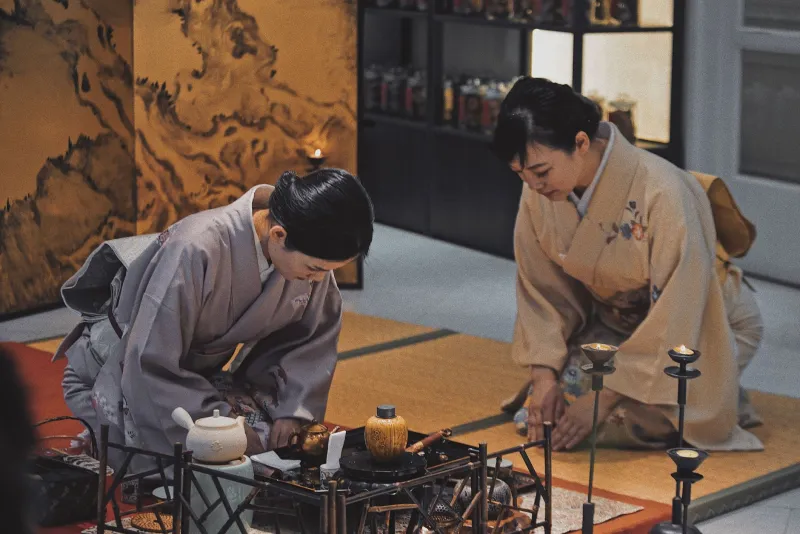
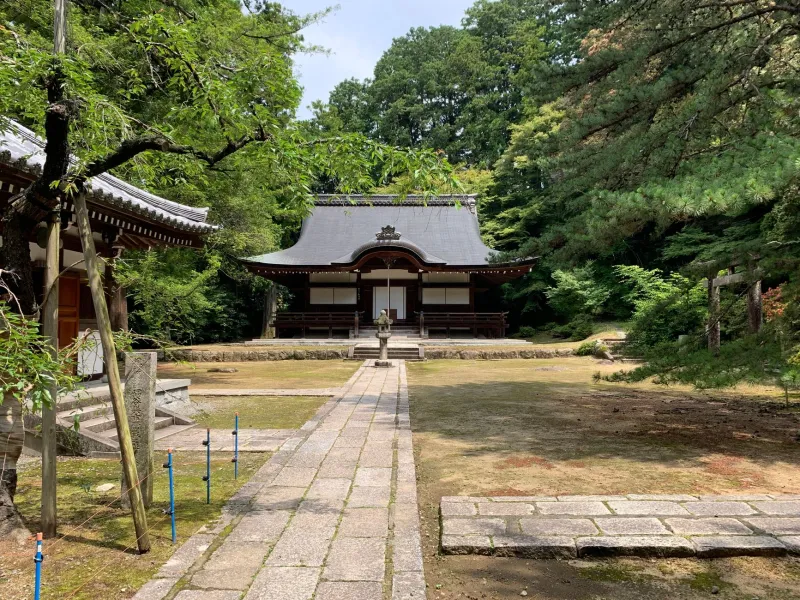
When Silence Speaks: What Sagamihara's Sound Traditions Can Teach You About Living Quieter

In Sagamihara, silence isn't empty — it's intentional. Drawing on centuries of Japanese sound aesthetics, from temple acoustics to the hushed rituals of the tea ceremony, this guide shows American readers how to reclaim quiet as a living, breathing part of their home.

Read the story →

Latest Articles

Cracked, Crooked, and Beautiful: How Sagamihara's Wabi-Sabi Craft Tradition Can Free You From the Pressure to Be Perfect 02
Garden & Home

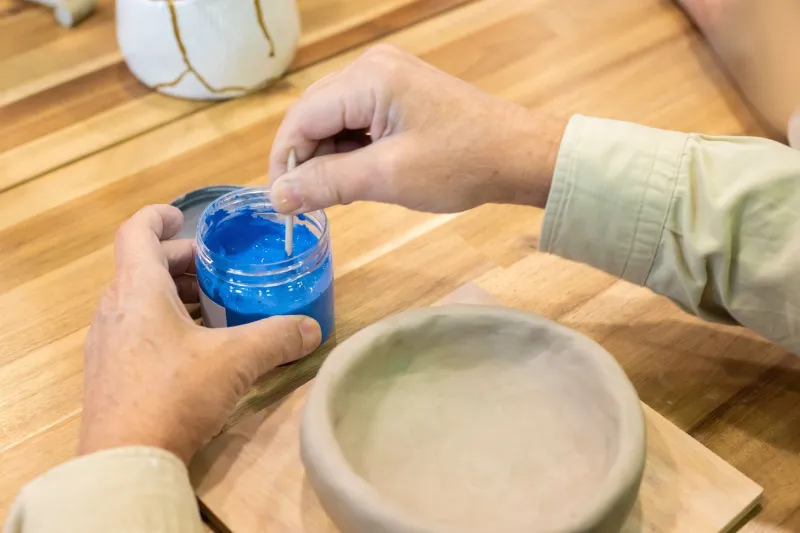
Cracked, Crooked, and Beautiful: How Sagamihara's Wabi-Sabi Craft Tradition Can Free You From the Pressure to Be Perfect

In a culture drowning in filtered feeds and flawless finishes, a quiet philosophy from Japan offers a genuinely different way to see your home, your stuff, and yourself. Sagamihara's artisan community has been building beauty out of imperfection for generations — and honestly, America could use a little of that right now.

Slow Brew, Deep Meaning: What Sagamihara's Sake Makers Can Teach America About the Value of Patience 03
Kitchen & Culinary

Slow Brew, Deep Meaning: What Sagamihara's Sake Makers Can Teach America About the Value of Patience

Sake brewing in Sagamihara isn't just a production process — it's a seasonal ritual that's been refined over centuries. Behind every bottle is a philosophy of patience, precision, and deep respect for ingredients that feels almost radical in today's on-demand world. Here's what American drinkers and home cooks can take away from the art of the slow brew.

Less, But Better: How Sagamihara's Culture of Intentional Ownership Can Declutter Your American Life 04
Garden & Home

Less, But Better: How Sagamihara's Culture of Intentional Ownership Can Declutter Your American Life

Japan has a word for the beauty found in what's left out — yohaku no bi — and Sagamihara's everyday culture lives by it. Discover how this philosophy of deliberate restraint can help American households break free from the exhausting cycle of accumulation and find deeper satisfaction in owning less, but choosing better.

Cooking With the Calendar: What Sagamihara's Farmers Know About Eating in Season That American Kitchens Don't 05
Kitchen & Culinary

Cooking With the Calendar: What Sagamihara's Farmers Know About Eating in Season That American Kitchens Don't

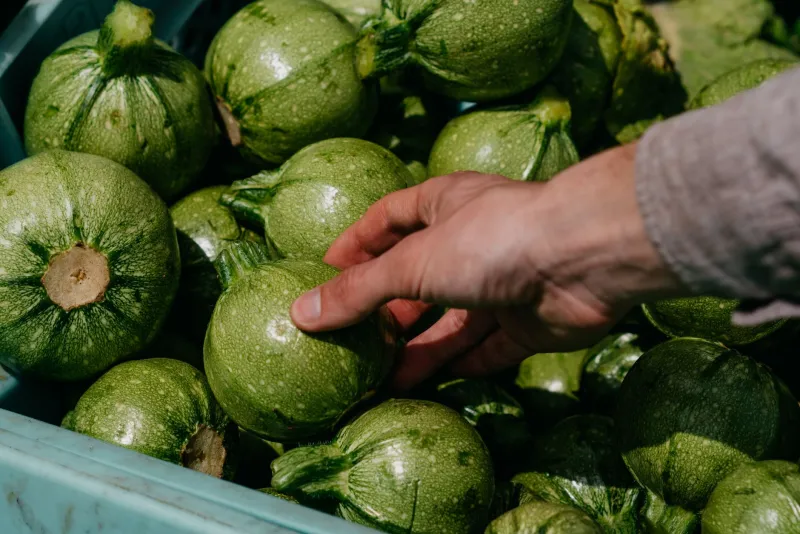
In Sagamihara, the best ingredient isn't the most expensive one — it's the one that's ready right now. The Japanese concept of 'shun' celebrates the brief, brilliant peak of each seasonal food, and local farmers and artisans have built entire culinary traditions around it. Here's why that matters for how you cook at home in the U.S.

Empty Space Is Not Wasted Space: How the Japanese Idea of Ma Can Breathe Life Back into Your Home 06
Garden & Home

Empty Space Is Not Wasted Space: How the Japanese Idea of Ma Can Breathe Life Back into Your Home

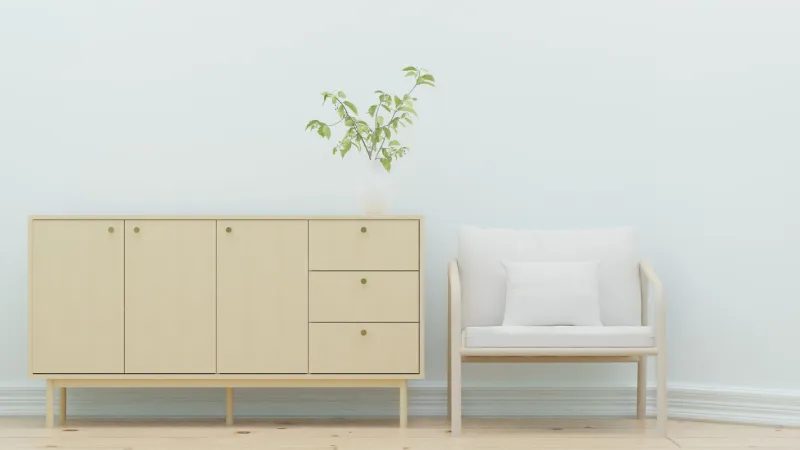
In Sagamihara, a room with breathing room is considered more beautiful than one packed with things. The ancient Japanese concept of 'ma' — the meaningful pause between objects — might be exactly what your overloaded living room has been missing. Here's how to bring that philosophy home.

Hosting Like a Ryokan: Bringing Sagamihara's Spirit of Wholehearted Hospitality to Your American Dinner Table 07
Garden & Home

Hosting Like a Ryokan: Bringing Sagamihara's Spirit of Wholehearted Hospitality to Your American Dinner Table

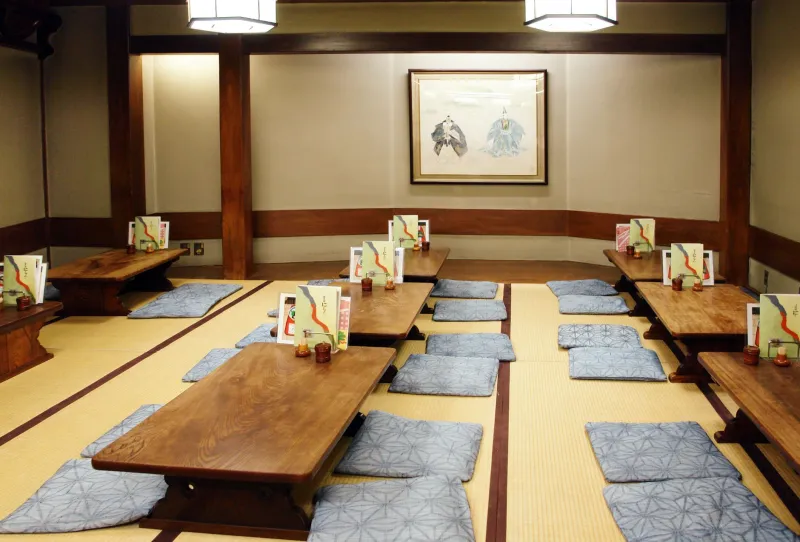
In Sagamihara's traditional ryokans and tea houses, hospitality isn't a checklist — it's a mindset. Discover how the Japanese philosophy of omotenashi can quietly revolutionize the way you welcome guests into your home, from the moment they walk through the door to the last bite of dessert.

Green Tea 101: How to Choose, Brew, and Actually Enjoy Sagamihara's Finest Leaves 08
Kitchen & Culinary

Green Tea 101: How to Choose, Brew, and Actually Enjoy Sagamihara's Finest Leaves

Japanese green tea has a reputation for being complicated, but it really doesn't have to be. This guide walks you through the teas connected to the Sagamihara region — what makes them distinct, how to tell quality from filler, and how to brew a cup that actually tastes the way it's supposed to.

Sharp Secrets from Sagamihara: What American Home Cooks Are Discovering About Japanese Blade Craft 09
Kitchen & Culinary

Sharp Secrets from Sagamihara: What American Home Cooks Are Discovering About Japanese Blade Craft

There's a reason serious home cooks are ditching their department-store knife sets and looking to Sagamihara instead. The blades coming out of this Japanese city carry centuries of tradition in every edge — and once you cook with one, there's really no going back.

Tiny Trees, Big Roots: How to Grow Sagamihara's Bonsai Tradition in Your American Backyard 10
Garden & Home

Tiny Trees, Big Roots: How to Grow Sagamihara's Bonsai Tradition in Your American Backyard

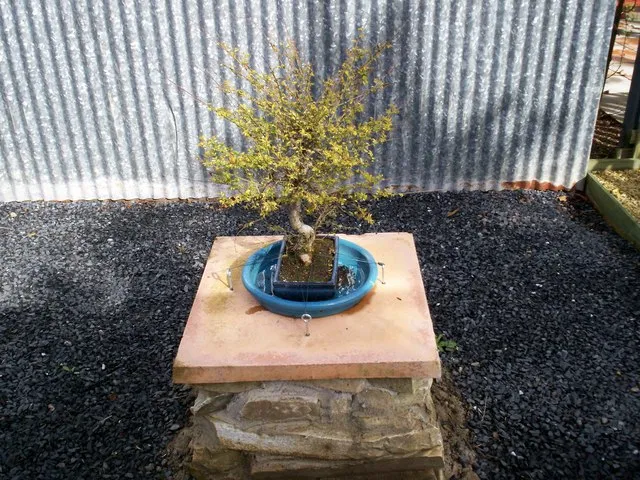
Bonsai isn't just a plant — it's a conversation between you and time itself. Sagamihara's nurseries have been cultivating these living sculptures for generations, and now American gardeners are bringing that tradition home. Here's how to make it work no matter where you live.