Less, But Better: How Sagamihara's Culture of Intentional Ownership Can Declutter Your American Life

Photo by Photo by Daniel Chen on Unsplash on Unsplash
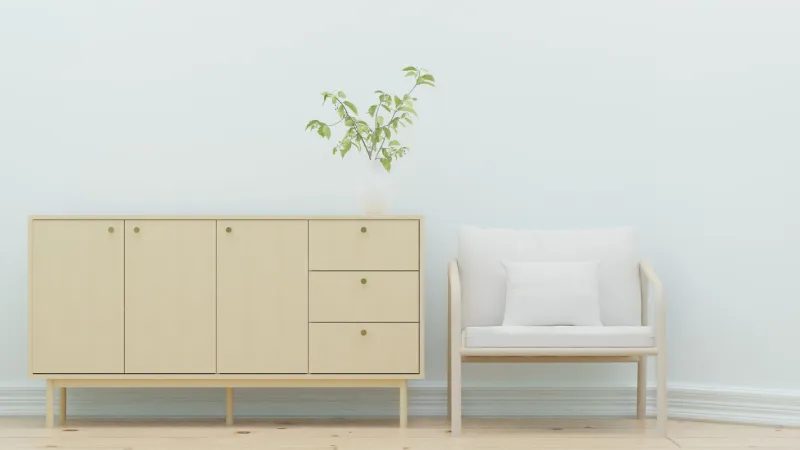
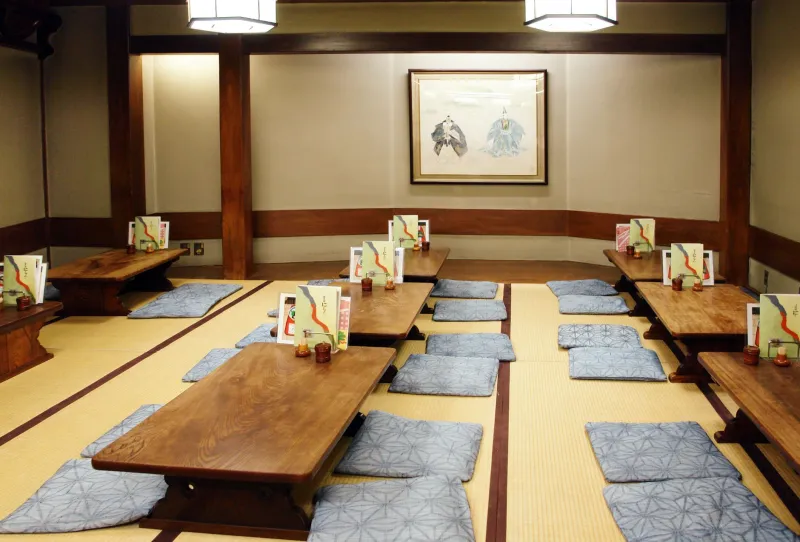
Walk through a well-kept home in Sagamihara and you'll notice something that's genuinely hard to put your finger on at first. It's not just that things are tidy. It's that every object in the room seems to have earned its place. The ceramic vase on the shelf isn't decorating — it's anchoring. The single folded blanket on the couch isn't a leftover — it's a choice. That feeling has a name in Japanese: yohaku no bi, which roughly translates to "the beauty of blank space" or "the beauty of restraint."
For a lot of Americans, that concept sounds nice in theory but feels almost impossible to live. We've grown up in a culture where more is a sign of success, where a full closet means you're prepared, and where buying something new is a reliable (if temporary) mood boost. The average American household contains somewhere around 300,000 items. That's not a typo. And yet, study after study shows that clutter is quietly draining our mental energy and making us less happy, not more.
Sagamihara's approach to ownership offers a genuinely different way of thinking — and the good news is, you don't have to move to Japan to apply it.
What Yohaku No Bi Actually Means (And What It Doesn't)
It's worth clearing up a common misconception right away. Yohaku no bi is not about deprivation. It's not about living with bare walls and a single fork. The concept comes from traditional Japanese ink painting, where the unpainted space on the canvas isn't empty — it's active. The blank area gives the painted elements room to breathe, to mean something, to be seen.
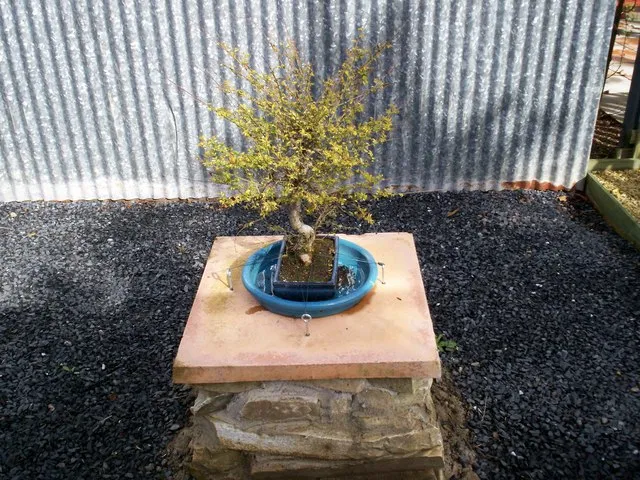
Applied to daily life, the philosophy says that when you surround yourself with fewer things, the things you do keep become more visible, more appreciated, and more useful. In Sagamihara, this shows up in quiet but consistent ways: a kitchen that holds exactly the tools a cook reaches for every day, a garden that uses negative space as intentionally as it uses plants, a wardrobe built around pieces that work together rather than accumulating separately.
The key word throughout all of this is intentional. Sagamihara's version of minimalism isn't about following rules — it's about making conscious decisions.
The Kitchen as a Starting Point
If you want to experiment with selective ownership without overhauling your entire home, the kitchen is the perfect place to start. American kitchens are legendary for gadget overload — single-use appliances, duplicate tools, and drawer-fulls of items that haven't seen daylight in two years.
In a traditional Sagamihara kitchen, the philosophy leans toward fewer, better tools that do their jobs beautifully. A quality Japanese chef's knife, for instance, replaces three or four lesser blades. A well-seasoned cast iron pan handles tasks that a cabinet full of specialty pans struggles to match. The investment is higher upfront, but the relationship with the tool deepens over time — and the drawer stays manageable.
Try this as a first step: pull everything out of one kitchen drawer and only put back what you've actually used in the last three months. What's left behind might surprise you. More importantly, what remains will feel different — purposeful rather than default.
The Wardrobe Question Nobody Wants to Answer
Clothing is where the gap between American and Japanese consumer habits tends to be widest. Fast fashion has made it genuinely cheap and easy to accumulate a closet so full it's hard to find anything. The cruel irony is that more clothing options often lead to more decision fatigue and less satisfaction with what you're wearing.
Sagamihara's cultural approach to clothing isn't about fashion minimalism for its own sake. It's about curating pieces that you actually reach for — items that fit well, feel good, and work across multiple occasions. Think of it as building a wardrobe the way a craftsperson builds a toolkit: every piece has a clear function, and nothing is in there just because it was on sale.
A practical way to start: identify the ten items of clothing you wear most often. What do they have in common? Comfort? Versatility? Specific colors? That pattern is your actual preference, not the aspirational self you imagined when you bought the blazer still hanging with its tags on.
Buying Less, Buying Better: A Shift in Mindset
One of the biggest barriers to adopting a yohaku no bi approach in America is the psychology of deals. We're wired to see a discount as a win, regardless of whether we needed the item in the first place. A $40 shirt marked down from $80 feels like a victory even if it ends up unworn.
Sagamihara's consumer culture flips this. The emphasis is on the total value of an object over its lifetime — the craftsmanship, the durability, the daily satisfaction of using something made well. A handcrafted item from a Sagamihara artisan costs more upfront, but it doesn't need to be replaced every season. It doesn't quietly drain your energy by sitting in a pile of things you feel vaguely guilty about owning.
This isn't about being wealthy. It's about being deliberate. Waiting longer between purchases, saving toward something you genuinely want rather than buying something adequate immediately — these habits shift the entire relationship you have with your possessions.
Making Space for What Actually Matters
Here's the thing about clearing out the excess: the point isn't the empty space itself. The point is what you can do with it. A living room with breathing room becomes a place people actually want to sit in. A desk with only what you need becomes a place where thinking happens. A home that doesn't overwhelm you the moment you walk in becomes, quietly and genuinely, a place you want to be.
Sagamihara's philosophy of restraint isn't asking you to give up the things that matter to you. It's asking you to figure out what those things actually are — and let the rest go. That's harder than buying something new. But the clarity on the other side of it? That's the real prize.
Start small. Pick one drawer, one shelf, one category. Apply the yohaku no bi question: does this earn its place? And see what happens when you give your home — and your mind — a little room to breathe.