Empty Space Is Not Wasted Space: How the Japanese Idea of Ma Can Breathe Life Back into Your Home
The Problem With More
Let's be honest: most American homes are full. Really full. The average U.S. household contains roughly 300,000 items, according to a widely cited UCLA study, and that number keeps climbing. We buy storage solutions to manage our storage solutions. We move furniture around but never quite feel settled. Something always feels off, even after a weekend of reorganizing.
Here's a thought: what if the answer isn't a better shelving system — it's less stuff on the shelves altogether?
In Sagamihara, a city nestled between Tokyo's sprawl and the forested highlands of Kanagawa Prefecture, there's a long-standing design sensibility rooted in something called ma (間). Pronounced roughly like "mah," it translates loosely as "negative space" or "the gap between things" — but that translation barely scratches the surface. Ma isn't just an absence. It's a presence in its own right.
What Ma Actually Means
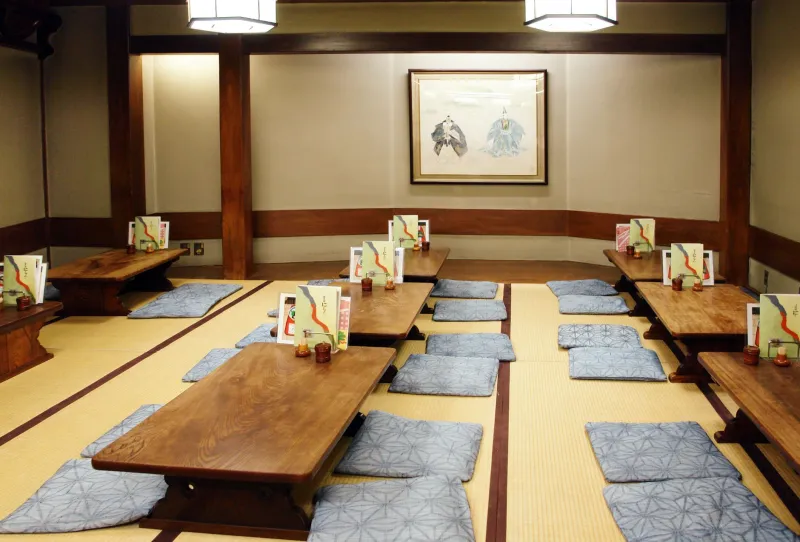
The concept of ma shows up everywhere in Japanese culture — in architecture, in music, in conversation, and especially in interior design. It's the deliberate pause between notes that gives a melody shape. It's the empty corner of a room that makes the single ceramic vase across from it feel significant.
Unlike Western design, which tends to fill space as a way of asserting value, the Japanese approach treats emptiness as something to be cultivated. A room isn't finished when you've added enough; it's finished when you've removed enough.
Sagamihara's craft and design traditions reflect this deeply. Local artisans in the region — many of whom produce ceramics, lacquerware, and woodwork — tend to design objects meant to stand alone, not compete. A single hand-thrown Sagamihara tea bowl placed on a wooden shelf doesn't need neighbors. It holds the room.
Why This Hits Different in America
Western interior culture, especially in the U.S., has long operated on a logic of abundance. More furniture, more decor, more personality crammed into every corner. Open any mainstream home decor magazine and you'll find rooms layered with throw pillows, gallery walls packed edge to edge, and countertops covered in decorative objects that nobody ever actually uses.
The result? Spaces that look busy on Instagram but feel exhausting to actually live in.
The philosophy of ma offers a genuinely different framework. It asks you to stop thinking about what to add to a room and start asking what the room would become if you subtracted. What would be left if you took away everything that wasn't essential? Would what remained feel more like you, or less?
Spoiler: for most people, it feels more like them.
Practical Ma: Where to Start
You don't need to gut your house or go full minimalist to apply this philosophy. Here are a few ways to start thinking in ma:
Clear one surface completely. Pick a countertop, a side table, or a windowsill. Remove everything from it. Then, and only then, decide what — if anything — should go back. You might find that a single object, placed thoughtfully, does more for the room than a dozen items did before.
Give objects room to breathe. In Sagamihara-influenced design, objects aren't clustered — they're spaced. If you have a collection of ceramics or small sculptures, try spreading them out or reducing the display to your two or three favorites. The pieces you keep will feel more intentional.
Treat empty wall space as a feature. Resist the urge to fill every wall. A large, bare wall next to a single framed print creates visual tension in a good way. It draws your eye to the print in a way a packed gallery wall never could.
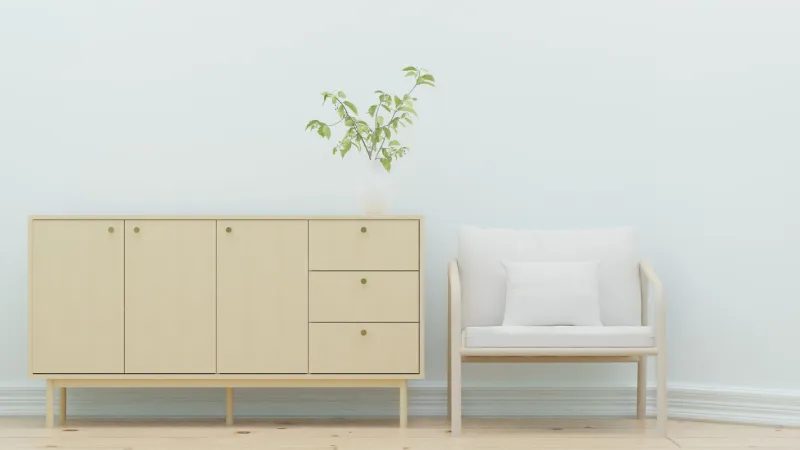
Let furniture float. Sagamihara-style interiors often use low furniture with clean lines, and pieces tend to be positioned with space around them rather than pushed against walls. Even shifting your sofa a foot away from the wall can change how a room feels.
Choosing Objects That Earn Their Place
One of the most useful shifts that comes with thinking about ma is that it changes how you shop. Instead of asking "would I like this?" you start asking "does this deserve space in my home?"
That's a higher bar — and a healthy one.
Sagamihara artisans tend to make things that are built to last and beautiful enough to stand on their own. A hand-lacquered tray from the region isn't a background object. It's a focal point. A ceramic piece thrown in the local tradition has a weight and texture that mass-produced decor simply can't replicate. When you bring something like that into your home, you're not adding clutter — you're adding a reason to clear space around it.
At Sagamihara Shop, we source pieces directly from regional makers who understand this philosophy at a craft level. These aren't decorative objects designed to blend in. They're made to matter.
The Quiet Payoff
Here's what people who actually adopt a ma-influenced approach to their homes tend to report: they feel calmer. Not because their lives got simpler, but because their physical environment stopped demanding attention at every turn. When a room isn't competing with itself, it becomes easier to be present in it.
That might sound like a lot to ask from a design philosophy. But spend a few minutes in a Sagamihara-style space — spare, deliberate, with just enough — and you'll understand why this idea has lasted centuries. Some concepts survive because they work.
Empty space, it turns out, is doing a lot of work.