Tiny Trees, Big Roots: How to Grow Sagamihara's Bonsai Tradition in Your American Backyard
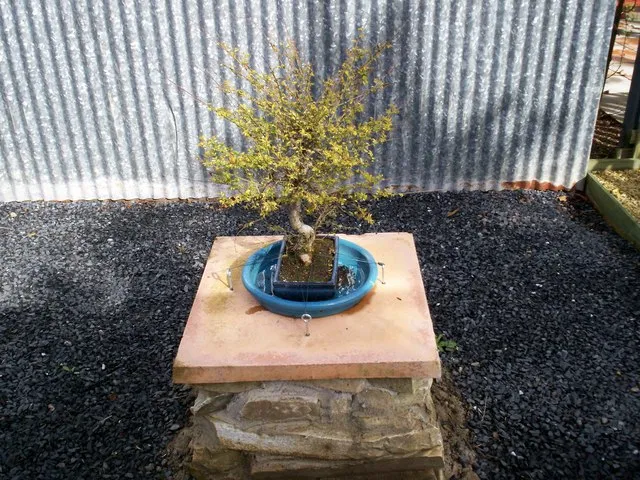
Photo: P Flannagan, CC BY-SA 2.0, via Wikimedia Commons
More Than a Miniature Tree
Let's clear something up right away: bonsai is not a species of plant. It's a practice. A philosophy, really. The word literally translates to "planted in a container," but anyone who's spent serious time with a bonsai will tell you that definition barely scratches the surface.
In Sagamihara — a city in Japan's Kanagawa Prefecture that sits at the edge of the Tama Hills — bonsai cultivation has been woven into the fabric of local culture for generations. The region's nurseries have long supplied temples, private collectors, and aesthetic-minded households across Japan with meticulously shaped trees and ornamental plants. And increasingly, those same plants are finding new homes in American backyards, apartments, and sunrooms from Portland to Atlanta.
This guide is for anyone curious about bringing that tradition into their own space — whether you've got a sprawling garden in the Pacific Northwest or a south-facing windowsill in Chicago.
The Sagamihara Nursery Tradition
What makes Sagamihara's approach to bonsai and ornamental horticulture distinct isn't just the plants themselves — it's the generational knowledge behind them. Local nursery families like the Hayashidas have been shaping trees for three and four generations, passing down techniques for wiring branches, managing root systems, and reading the subtle signals a tree gives when it's thriving or struggling.
"A bonsai tree is never finished," explains Yuki Hayashida, whose family has operated a nursery near the Sagamihara city center for over 60 years. "You're always in relationship with it. You learn from it as much as it learns from your hands."
That relational quality is part of why bonsai has resonated so deeply with American gardeners who are looking for something more intentional than a potted plant from the hardware store. It rewards patience. It teaches observation. And honestly, it looks incredible on a patio or bookshelf.
Picking the Right Species for Your Climate Zone
Here's where a lot of beginners go wrong: they fall in love with a particular tree at a garden show, buy it without thinking about their local climate, and then watch it slowly decline. Climate compatibility isn't optional — it's the foundation.
The good news is that Sagamihara nurseries cultivate a wide range of species, and there's almost certainly something that'll thrive wherever you are in the US.
Japanese Maple (Acer palmatum): Arguably the most beloved ornamental tree in Sagamihara's repertoire. These do beautifully in USDA hardiness zones 5–8, making them a great fit for much of the Northeast, Mid-Atlantic, Pacific Northwest, and parts of the Midwest. They need protection from harsh afternoon sun and strong winds, and they'll reward you with stunning seasonal color changes.
Japanese Black Pine (Pinus thunbergii): A classic bonsai subject that's more tolerant of heat and salt air than most conifers. It's well-suited to coastal climates from California to the Carolinas and can handle zones 5–8 with the right care. This is one of the trees most associated with the formal bonsai aesthetic.
Trident Maple (Acer buergerianum): Slightly more cold-hardy than the Japanese maple and known for its beautiful root structure. A solid choice for gardeners in zones 5–9, including the Southeast and much of the Midwest.
Japanese Zelkova (Zelkova serrata): Often used as a street tree in Japan, the zelkova adapts well to American conditions across zones 5–8. Its fine branching structure makes it a favorite for broom-style bonsai designs.
Satsuki Azalea: For warmer climates — zones 6–9 — Satsuki azaleas are one of the most dramatic flowering bonsai options available. They're deeply embedded in Japanese horticultural tradition and absolutely stunning when in bloom.
Getting Started: The Honest Beginner's Path
Skip the "starter kit" with the tiny pre-shaped tree and the decorative pot that's way too small. That's not where lasting bonsai practice begins.
Instead, here's a more grounded approach:
Start with a nursery stock tree or a pre-bonsai. These are young trees that haven't been styled yet, which means you get to make decisions about their shape from the beginning. It's more engaging and you'll learn faster.
Invest in a proper pot early. The pot is part of the aesthetic. A good bonsai pot — unglazed for conifers, glazed for flowering or deciduous trees — complements the tree rather than competing with it. Sagamihara Shop carries hand-thrown pots from regional ceramicists that are worth the investment.
Learn before you cut. Pruning and wiring are the two main techniques in bonsai styling, and doing either one without understanding why can set your tree back by a year or more. Spend a season just observing — how the tree responds to light, how quickly it drinks water, where new growth appears.
Water like you mean it. This is where most beginners struggle. Bonsai soil drains fast by design, which means you may need to water daily in warm months. Stick your finger an inch into the soil — if it's dry, water thoroughly until it drains from the bottom. Never let the root ball dry out completely.
Beyond Bonsai: Japanese Ornamentals for American Gardens
Bonsai gets most of the attention, but Sagamihara nurseries cultivate a whole world of ornamental plants worth exploring. A few worth knowing:
Nandina (Heavenly Bamboo): Evergreen, low-maintenance, and striking in winter when the berries turn deep red. Works well in zones 6–9 and holds up to drought once established.
Japanese Forest Grass (Hakonechloa macra): A flowing, shade-tolerant grass that adds movement and texture to any garden bed. The golden-variegated variety is especially popular in American shade gardens.
Wisteria floribunda (Japanese Wisteria): Yes, it requires management, but trained correctly over a pergola or trellis, it's one of the most spectacular flowering vines you can grow. Zones 4–9.
Moss varieties: In traditional Japanese gardens, moss is as important as the trees themselves. Several varieties cultivated in Sagamihara's humid hillside nurseries transplant well to shaded American garden beds, especially in the Southeast and Pacific Northwest.
The Aesthetic Philosophy Behind It All
Japanese garden culture — and bonsai in particular — is rooted in a concept called wabi-sabi: the beauty of imperfection, impermanence, and incompleteness. A gnarled trunk, a branch that reaches slightly off-center, the way a tree looks after the first frost — these aren't flaws. They're character.
That's a genuinely different way of thinking about a garden compared to the manicured, symmetrical aesthetic that dominates a lot of American landscaping. And for many people, it's a relief. You're not trying to force perfection. You're cultivating something alive and evolving alongside it.
Sagamihara's nursery tradition embodies that ethos completely. The plants we source for Sagamihara Shop carry that sensibility with them — you're not just buying a tree, you're buying into a way of seeing.
Ready to Dig In?
Whether you're starting with a single Japanese maple on your apartment balcony or planning a full ornamental garden in your backyard, the resources and plants to get you there are available right now. Visit sagamihara.shop to browse our current selection of bonsai starter trees, ornamental plants, hand-crafted pots, and care tools sourced directly from Sagamihara's most respected nurseries.
Your first tree is waiting. And it's got a lot to teach you.
