Why 'No' Might Be the Most Respectful Word in Your Vocabulary — Lessons from Sagamihara

Somewhere between your third Zoom call of the morning and the dinner you agreed to host next Saturday — the one you don't actually have time for — you probably said yes when you meant no. Again.
It's a deeply American habit. We over-schedule, over-promise, and then quietly resent the calendar we built ourselves. But in Sagamihara, a city shaped by centuries of craft culture, seasonal rhythm, and deliberate living, there's a principle that pushes back against all of that. It's called inazo — and it's less about refusal than it is about integrity.
What Inazo Actually Means
Inazo doesn't translate cleanly into English, which is part of why it's so useful. It's not just "saying no." It's closer to the idea of appropriate refusal — declining something in a way that honors both your own limits and the person asking. Think of it as the opposite of a flimsy excuse. It's a considered, honest, respectful boundary.
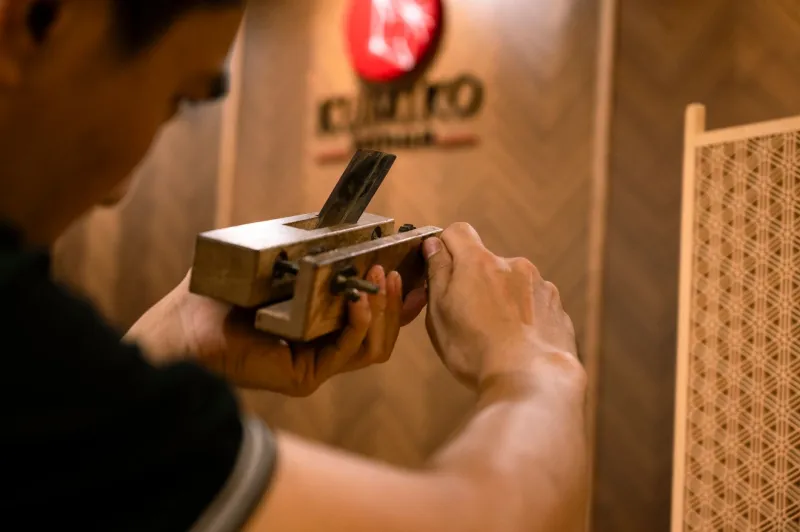
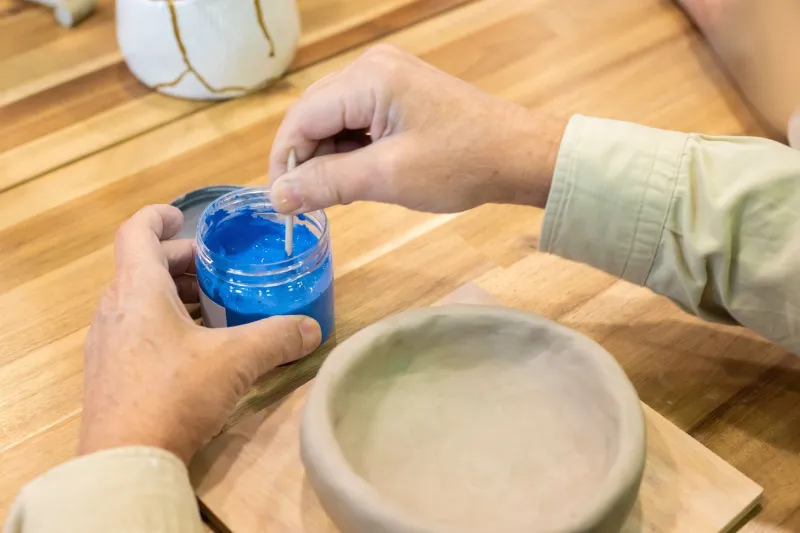
In Sagamihara's traditional craft communities — the woodworkers, the ceramicists, the textile artisans — inazo shows up constantly. A master craftsperson might decline a commission not because they don't want the work, but because accepting it would compromise the quality of everything else they're doing. The refusal isn't personal. It's principled. And crucially, it doesn't require a lengthy explanation or an apology tour.
What makes inazo different from the American version of saying no — which often involves guilt, over-explaining, and three follow-up texts — is that it comes from a place of clarity rather than avoidance.
The Guilt Loop Americans Are Stuck In
Let's be honest: most of us in the US have been conditioned to treat "no" as a last resort. We say yes to the PTA meeting, the extra project, the weekend favor, and the group chat we never wanted to join — not because we have time, but because we're afraid of disappointing people. Or being seen as difficult. Or missing out.
The result? A life that belongs to everyone else. Research consistently shows that chronic overcommitment is linked to burnout, decision fatigue, and even strained relationships — ironically, the very relationships we were trying to protect by saying yes in the first place.
Sagamihara's culture offers a different frame. In a city where artisans routinely spend years perfecting a single skill, there's a deep cultural understanding that attention is finite. You can't pour quality into everything. So you choose carefully — and you protect those choices.
How Inazo Works in Practice
The good news is that you don't need to move to Japan or apprentice under a lacquerware master to start applying this principle. Inazo is surprisingly practical.
1. Know your actual priorities before the ask arrives. Sagamihara craftspeople don't decide what matters when a commission lands on their desk — they already know. Before you're put on the spot, spend ten minutes writing down the three or four things that genuinely deserve your best energy right now. When a new request comes in, you're measuring it against something real, not just your fear of conflict.
2. Decline without the disclaimer spiral. One of the most freeing aspects of inazo is its economy of words. You don't owe anyone a detailed breakdown of your schedule. "That doesn't work for me right now" is a complete sentence. In Sagamihara's culture of omotenashi — the art of thoughtful hospitality — a clean, kind refusal is actually considered more respectful than a vague, hedging yes that leads to half-hearted follow-through.
3. Offer something true instead of something hollow. Inazo isn't cold. When you decline, you can still acknowledge what's being asked and why it matters — you're just being honest that you're not the right person to deliver it right now. "I can't give that the attention it deserves" is both a boundary and a compliment.
4. Build a pause into your responses. One of the simplest tools from Sagamihara's slower, more deliberate pace of life: don't answer immediately. When someone asks you for something, try saying "let me check and get back to you" — even if you already suspect the answer is no. That pause lets you respond from clarity rather than reflex.
Saying No Is a Form of Respect
Here's the reframe that tends to surprise Americans: in Sagamihara's cultural logic, a thoughtful no is often more respectful than a reluctant yes. When you say yes to something you can't genuinely show up for, you're not doing the other person a favor — you're giving them a diminished version of your attention and effort. That's not generosity. It's performance.
When a Sagamihara artisan declines a commission they don't have the bandwidth to execute well, they're protecting the client from mediocre work. The refusal is an act of care. The same logic applies when you turn down the committee you'd resent joining, the favor you'd rush through, or the social obligation you'd attend while mentally composing your grocery list.
Making Space at Home
This is where inazo connects directly to how you live in your space — which is why it fits so naturally into the rhythm of a well-tended home. When you stop filling your calendar out of obligation, something interesting happens to your house, too. You start having evenings again. Slow mornings. Time to actually cook a meal instead of ordering in. Time to tend the garden, rearrange the bookshelf, or just sit in a room and do nothing particularly useful.
Sagamihara's home culture — rooted in simplicity, intentionality, and the idea that your environment should support your life rather than reflect your busyness — starts with time. And time starts with the willingness to say no to the things that aren't really yours to carry.
Start Small
You don't have to overhaul your entire social and professional life this week. Start with one thing. One invitation you've been dreading. One request that arrived at the wrong moment. One obligation you took on out of guilt rather than genuine desire.
Decline it. Kindly, briefly, honestly. And notice what that space feels like.
Inazo isn't about becoming less generous. It's about becoming more intentional — so that when you do say yes, it actually means something. That's the Sagamihara way. And honestly? It might be exactly what your American calendar needs.