Before You Even Ask: How Sagamihara's Omotenashi Culture Is Changing the Way Americans Do Business
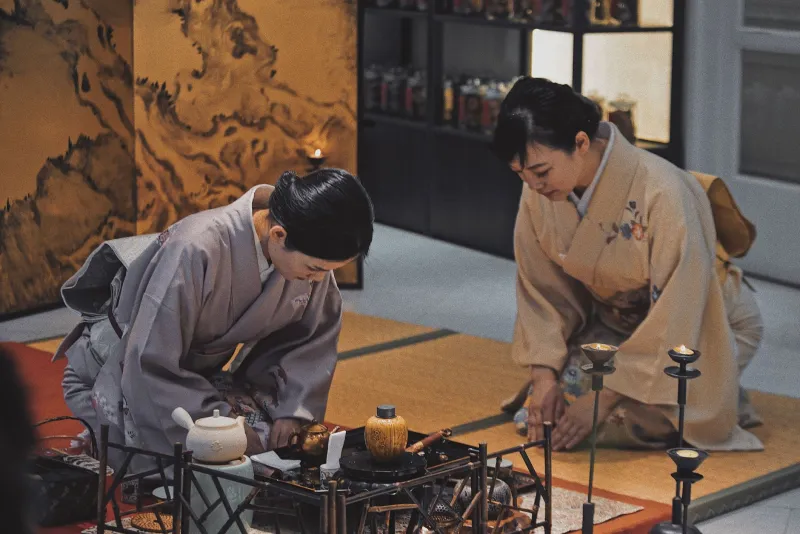
There's a moment that travelers to Japan describe again and again. You're sitting in a small restaurant, or maybe a family-run inn, and before you've realized you need something — a refill, a warmer blanket, a menu translated — it's already there. No buzzer pressed, no awkward flag of the hand. Just a quiet, almost invisible attentiveness that makes you feel, somehow, genuinely cared for.
That moment has a name: omotenashi.
And in Sagamihara — a city that blends deep traditional roots with a modern, outward-looking energy — it's not just a hospitality concept. It's a way of doing business, running a household, and relating to other people. As more Americans discover what this philosophy actually means in practice, a lot of them are asking a pretty reasonable question: why doesn't more of our world feel this way?
What Omotenashi Actually Means (It's Not Just Being Nice)
The word gets tossed around loosely in Western conversations about Japanese culture, often reduced to something like "really good customer service." But that framing misses the point almost entirely.
Omote means "public face" or "to serve." Nashi means "without" or "nothing." Put them together and you get something closer to: service with no hidden agenda, no expectation of reward, no performance for appearances. It's hospitality that doesn't keep score.
In practical terms, omotenashi is about anticipation over reaction. A business or host practicing omotenashi isn't waiting for you to identify a problem — they've already thought through your experience, noticed the small friction points, and quietly removed them before you arrived. The goal isn't to impress you. It's to make you feel so comfortable that you stop noticing the effort at all.
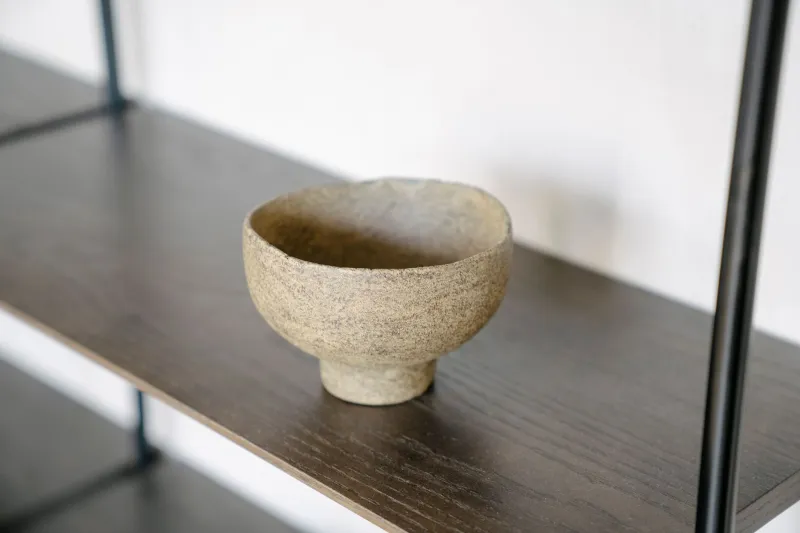
Sagamihara's local businesses — from its artisan workshops to its family-owned retail shops — have long operated on this principle. A ceramics maker in the region might wrap your purchase not just to protect it, but in a way that makes the unwrapping itself feel like part of the gift. A neighborhood grocer might arrange seasonal produce at eye level for elderly customers without ever being asked. Small moves, quietly executed, that add up to something that feels unmistakably human.
Why This Hits Different in an American Context
Here in the US, customer service has largely become a transactional sport. There are scripts, satisfaction surveys, escalation protocols, and chatbots that apologize for the inconvenience. We've gotten pretty efficient at resolving problems. What we've lost, somewhere along the way, is the sense that someone actually thought about us before we walked through the door.
American consumers are starting to feel that gap. Studies consistently show that people are willing to pay more — sometimes significantly more — for experiences where they feel genuinely seen and considered. The rise of boutique hotels, farm-to-table restaurants, and small-batch everything isn't really about the product. It's about the feeling that somebody cared enough to pay attention.
Omotenashi offers a framework for building that feeling intentionally, rather than accidentally.
How Sagamihara Businesses Put It Into Practice
Spend time with Sagamihara's merchant community and a few patterns emerge pretty quickly.
They study their customers before the interaction begins. A local tea seller doesn't just stock a variety of products — they think carefully about who's walking into their shop, what that person probably knows, what might confuse or overwhelm them, and how to make the experience feel effortless. The product knowledge is deep, but it's deployed gently, in service of the customer's comfort rather than the seller's expertise.
They remove friction without being asked. A Sagamihara craftsperson shipping products internationally doesn't wait for buyers to ask about customs paperwork or packaging concerns. Those details are handled proactively, communicated clearly, and presented as a natural part of the purchase — not as a favor.
They treat the environment as part of the service. The physical space where an interaction happens matters enormously in omotenashi thinking. Light, temperature, scent, the order in which things are presented — all of it communicates care (or its absence). A Sagamihara pottery studio that receives visitors doesn't just clean up before guests arrive. It considers what the space feels like to someone entering it for the first time.
Bringing Omotenashi Home — Literally
Here's the thing about omotenashi that gets overlooked in business conversations: it's not just a commercial philosophy. It applies to the way you run your home, host your friends, and show up for the people in your everyday life.
Think about the last time you had someone over for dinner. Did you think about what they'd need before they asked — a place to put their coat, a drink in hand before the awkward "can I get you something" exchange, a seat that suited them without being assigned? Or did you react to requests as they came?
That shift from reactive to anticipatory is the core of omotenashi, and you can practice it at any scale.
A few simple starting points:
- Before guests arrive, walk through your space as if you're a stranger. What's confusing? What's missing? What would make someone feel immediately at ease?
- In conversation, practice noticing what people don't say — the slight hesitation before they answer "I'm fine," the glance toward the kitchen when they're probably hungry but won't ask.
- In your home's design, think about flow and function from the perspective of the people who use it, not just how it looks in a photo. A beautiful entryway that's hard to navigate is the opposite of omotenashi.
The Deeper Point
Omotenashi isn't a productivity hack or a customer retention strategy, even if it functions well as both. At its core, it's a stance toward other people — one that says: I thought about you before you got here. Your comfort matters enough to me that I prepared for it.
In a world that increasingly defaults to self-service, automation, and the outsourcing of human attention, that stance is quietly radical.
Sagamihara's businesses have practiced it for generations not because it's good marketing, but because it reflects a genuine value: that the act of serving someone well, with full attention and no expectation of recognition, is its own kind of dignity.
Americans are hungry for that. The question is whether we're willing to slow down enough to offer it.