When Silence Speaks: What Sagamihara's Sound Traditions Can Teach You About Living Quieter
Let's be honest: American life is loud. Traffic bleeds through windows. Notification chimes stack up like unpaid bills. Neighbors run leaf blowers at 8 a.m. on a Saturday. We've grown so accustomed to constant noise that actual quiet — real, unhurried silence — can feel almost uncomfortable when we stumble into it.
In Sagamihara, though, quiet is treated less like an absence and more like an ingredient. It's something you design for, protect, and listen to. The city sits in a valley ringed by forested hills, close enough to Tokyo to feel connected but far enough to breathe. That geography shapes the culture. And that culture, it turns out, has a lot to say to anyone who feels like the noise just never stops.
The Japanese Concept That Changes How You Hear Everything
You might have come across ma before — the Japanese idea of meaningful negative space. Most people encounter it in the context of interior design or visual art. But ma applies just as powerfully to sound.
In Japanese aesthetics, the pause between notes in a shamisen performance isn't dead air. It's as compositionally important as the notes themselves. The silence after a temple bell rings isn't the end of the sound — it's part of the sound, stretching outward until it dissolves into something you feel more than hear.
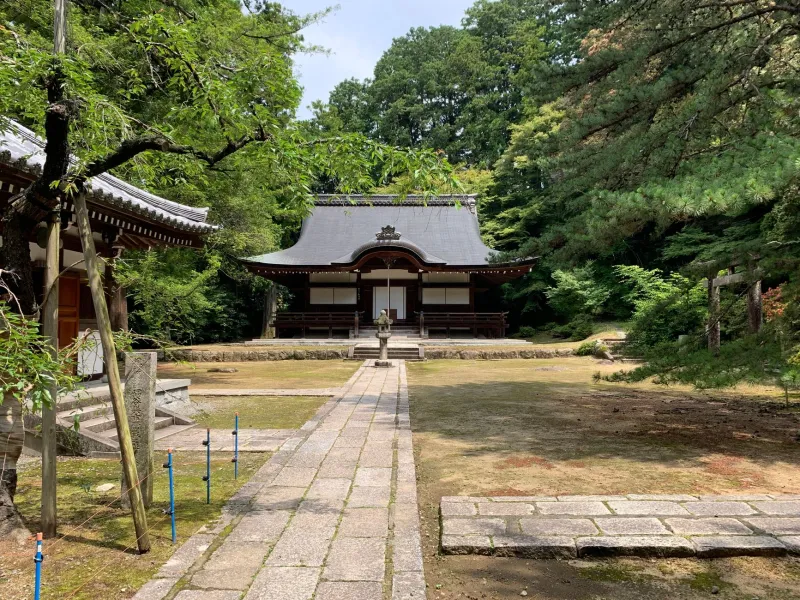
Sagamihara's historic temples, some tucked quietly into hillside neighborhoods that have barely changed in generations, were built with this in mind. Stone courtyards, wooden eaves, gravel paths — these aren't just aesthetic choices. They're acoustic ones. Footsteps on gravel announce your presence gently. Wooden interiors absorb and warm sound rather than bouncing it hard off concrete. The result is a space that feels different before you've consciously registered why.
The lesson? Sound is a design material. And most American homes treat it like an afterthought.
What the Tea Ceremony Gets Right That We Get Wrong
If you've ever watched a traditional Japanese tea ceremony — even on video — you've probably noticed how unhurried everything feels. Every gesture is deliberate. Conversation, if it happens at all, is sparse and soft. The sound of water heating, the scrape of a bamboo whisk, the ceramic clink of a bowl being set down — these become the whole sensory world for a little while.
That's not an accident. The tea ceremony is partly a training ground for a different relationship with sound. You learn to notice what's actually there rather than layering more on top of it. Practitioners talk about hearing the water before it boils — a soft, sighing sound they call matsukaze, or "wind through the pines." It's a beautiful name for something most of us would tune out entirely.
You don't need to host a tea ceremony in your living room (though honestly, that's not a bad idea). But you can borrow the underlying principle: slow down enough to hear what's already there before you add anything else.
Practical Ways to Bring This Home
None of this requires a renovation budget or a trip to Japan. Here are some genuinely doable starting points.
Start with a sound audit. Spend ten minutes sitting in the room you're in most often and just listening. Not meditating, not relaxing — just cataloging. What do you hear? HVAC hum? Street noise? The refrigerator cycling? Identifying the baseline is the first step toward changing it intentionally.
Add natural sound layers strategically. Japanese sound design often layers nature sounds to mask harsher noise without eliminating quiet altogether. A small tabletop water feature near a window can soften traffic noise in a way that feels organic rather than like you're just playing a sleep app. Wind chimes — furin in Japanese — serve the same purpose outdoors. They don't eliminate noise; they give your ears something pleasant to anchor to.
Rethink your hard surfaces. One reason American apartments and open-plan homes feel acoustically harsh is the prevalence of hard floors, bare walls, and minimal soft furnishings. A wool rug, heavy curtains, or even a tapestry on the wall absorbs sound rather than reflecting it. These are small changes with a disproportionate impact on how a room feels.
Create a designated quiet window. Pick one 20-minute stretch each day — morning coffee, the first few minutes after you get home from work — and protect it from screens, music, and podcasts. Just let the ambient sound of your space exist. This feels strange at first. Give it a week.
Curate rather than fill. When you do want music or background sound, be deliberate. Japanese ambient composers like Hiroshi Yoshimura built entire careers around music that enhances silence rather than competing with it. His 1982 album Music for Nine Post Cards was literally designed to accompany quiet domestic moments. It still holds up, and it's a completely different listening experience than having a playlist shuffle in the background.
The Bigger Picture: Silence as a Form of Presence
Here's the thing that gets lost in conversations about noise reduction and soundscaping: silence isn't really about the absence of sound. In Japanese thinking, it's closer to a form of attention. When a space is quiet enough to notice the rain starting, or a bird landing on a branch outside, or the particular way your house settles in the evening — you're more present in it. You're inhabiting your home rather than just occupying it.
Sagamihara residents who live near the Sagami River talk about the way the sound of the water changes with the seasons — fuller and faster in spring when snowmelt comes down from the mountains, slower and more hushed in the dry heat of late summer. That kind of attentiveness to your environment is a form of rootedness. It connects you to where you are.
Most of us in the US are surrounded by sounds we've never consciously chosen. We inherited them from urban planning decisions, open-office layouts, and the relentless optimization of entertainment platforms designed to keep us engaged every waking moment. Pushing back against that doesn't require a radical lifestyle overhaul. It just requires paying a little more attention to what you're letting into your ears — and leaving a little more room for what's already there.
Quiet, in the Sagamihara sense, isn't something you find. It's something you make space for. And that's a project worth starting today.