Cracked, Crooked, and Beautiful: How Sagamihara's Wabi-Sabi Craft Tradition Can Free You From the Pressure to Be Perfect
Let's be honest: American culture has a perfection problem. Scroll through Instagram for five minutes and you'll find kitchens that look like showrooms, gardens that seem professionally styled every single morning, and living rooms where nothing is ever out of place. It's aspirational, sure — but it's also quietly exhausting. There's a persistent, low-grade anxiety that comes from measuring your real life against everybody else's curated highlight reel.
In Sagamihara, Japan, they have a word — or rather, a whole philosophy — for the antidote to all of that. It's called wabi-sabi, and once you really understand it, you might never look at a chipped mug the same way again.
What Wabi-Sabi Actually Means (It's More Than a Buzzword)
Wabi-sabi gets tossed around a lot in Western design circles, often reduced to "rustic aesthetic" or "distressed furniture." But that misses the deeper point entirely. At its core, wabi-sabi is a Japanese worldview rooted in the acceptance of transience and imperfection. Wabi originally referred to the loneliness of living simply in nature — a kind of austere, understated beauty. Sabi spoke to the passage of time, the way things age and wear and carry the marks of their own history.
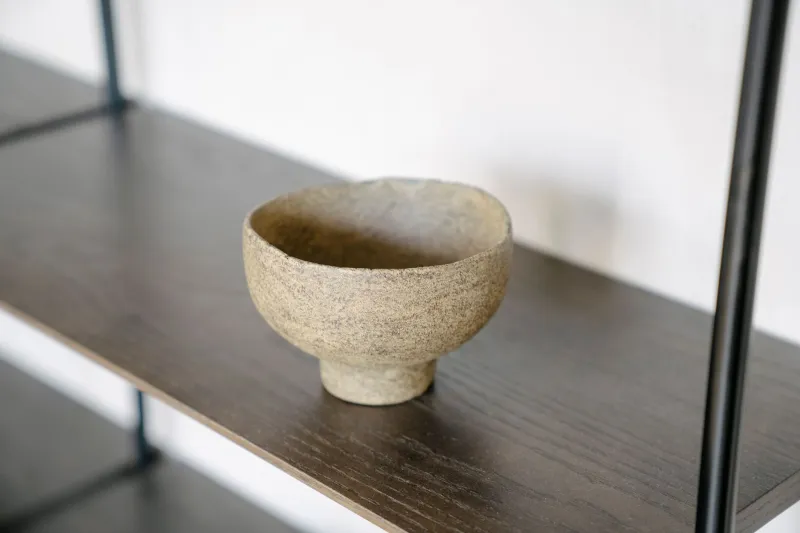
Together, they describe an appreciation for things that are incomplete, irregular, or modest. A tea bowl that wobbles slightly on the table. A textile with an uneven weave. A ceramic glaze that pooled unexpectedly during firing and left a streak that no two pieces share. In wabi-sabi thinking, those "flaws" aren't problems to be corrected — they're the whole point.
How Sagamihara Artisans Build Imperfection In
Sagamihara sits in Kanagawa Prefecture, nestled between the bustle of greater Tokyo and the forested quiet of the Tanzawa Mountains. It's a city with a deep craft heritage — ceramics, textiles, woodwork — and many of its artisans have been practicing their trades across multiple generations. What's striking, if you spend any time watching them work, is that imperfection isn't accidental in their process. It's intentional.
Local ceramic makers, for instance, often choose clay bodies and glaze combinations specifically because they're unpredictable. A piece might go into the kiln looking one way and come out looking completely different — and that's considered a feature, not a defect. Some potters in the region deliberately leave thumb impressions in their work, a quiet reminder that human hands made this thing. You can't replicate that with a machine, and they wouldn't want to.
In Sagamihara's textile tradition, weavers sometimes incorporate intentional variations in thread tension or dye absorption. The result is fabric that has a kind of visual texture, a subtle aliveness that perfectly uniform cloth simply doesn't have. Hold a piece up to the light and you can see the story of how it was made.
This stands in pretty sharp contrast to the mass-production model that dominates American retail, where the goal is zero variation, zero deviation, and zero evidence that a human being was involved at all.
What Your Home Is Telling You
Think about how you feel when something in your house gets chipped, scuffed, or worn. Most Americans' first instinct is mild stress — the thing is now broken, needs replacing, represents a failure of maintenance or care. That response is completely understandable given how we're conditioned to think about objects. New equals good. Worn equals bad.
Wabi-sabi flips that script. A well-worn wooden cutting board, darkened with use and marked with hundreds of meals, isn't a board that needs replacing. It's a board with a story. A ceramic bowl that survived a small chip and got repaired — or even left as-is — carries the evidence of a life actually being lived in that kitchen.
This is partly why the Japanese art of kintsugi — repairing broken ceramics with gold — resonates so strongly with people when they first encounter it. The repair isn't hidden; it's highlighted. The breakage becomes part of the object's beauty. Sagamihara craftspeople practice this philosophy not just in restoration but in original creation: make something that will age well, that will look more interesting in ten years than it does today.
Bringing Wabi-Sabi Into Your American Home (Without Buying a Whole New Aesthetic)
Here's the thing: you don't need to redecorate. Wabi-sabi isn't really about buying stuff — in fact, it's almost the opposite of that. It's a shift in how you perceive what you already have.
Start with your shelves. Instead of arranging things symmetrically and identically, try grouping objects by feel or memory. A handmade bowl next to a river stone you picked up on a hike next to a small plant in a slightly imperfect clay pot. The arrangement doesn't have to look "designed." It just has to feel real.
Rethink what counts as damage. That scratch on your dining table from moving furniture? That's a record of your life happening in that space. You don't have to love it, but you don't have to be stressed by it either.
Invest in handmade, not just hand-labeled. There's a big difference between a mass-produced item marketed with words like "artisan" and something that was actually made by a person who left their mark on it. Pieces from Sagamihara's craft community — ceramics, textiles, woodwork — carry genuine irregularities because genuine hands made them. That's what you're buying when you choose authentically handcrafted goods.
Let your garden be a little wild. American landscaping culture tends toward control — edged lawns, trimmed hedges, everything in its assigned place. A wabi-sabi garden leans into natural growth patterns. A slightly asymmetrical arrangement of stones. Moss allowed to spread where it wants to. Plants that look like they belong to the land rather than imposed upon it.
The Anxiety You Didn't Know Your Home Was Causing
Design researchers and psychologists have noted something interesting: environments that feel "too perfect" can actually increase stress rather than reduce it. When everything in your home looks like a Pinterest board, you're constantly aware of the gap between the ideal and the reality of daily life — muddy shoes, kids' drawings on the fridge, a stack of books that never quite gets put away.
Wabi-sabi spaces, by contrast, tend to feel livable. They're built for actual human beings, not for photographs. There's room for the imperfection of real life because imperfection is already woven into the design.
Sagamihara's artisans have understood this for a long time. They make things for people to use, not just to display. They build in the kind of beauty that deepens with time rather than fading with the first scratch.
A Different Kind of Beautiful
None of this means you have to stop caring about your home or give up on creating spaces you love. It just means expanding what "beautiful" is allowed to mean. A handmade ceramic mug with an uneven rim. A linen throw that softens and wrinkles with every wash. A wooden bowl that darkens beautifully with oil and use over the years.
These aren't compromises on quality. In the Sagamihara craft tradition, they're the whole point — objects made to be lived with, aged with, and appreciated more deeply the longer you have them.
In a culture that refreshes, upgrades, and replaces at a relentless pace, that's a genuinely radical idea. And honestly? It sounds like relief.