Stop Following the Recipe: How Sagamihara's Farmers Learn to Let Vegetables Lead
Most of us cook the same way we assemble furniture — we follow the instructions, measure everything twice, and quietly panic when something doesn't look like the picture. It works, mostly. But there's a whole other way to be in a kitchen, and it starts not with a recipe card but with a carrot held in both hands.
In Sagamihara, where small-plot farming has been woven into the region's identity for generations, vegetable growers develop something that's hard to package and impossible to download: an intuitive fluency with their produce. They don't just grow food. They learn to read it — by feel, by smell, by the way a leaf catches afternoon light. And the way they talk about vegetables, if you're lucky enough to hear it, sounds less like agriculture and more like a long, quiet conversation.
For American home cooks, that idea might sound a little abstract. But it's more practical than it seems, and it might be exactly what's been missing from your weeknight dinners.
What "Listening" Actually Means on a Farm
When Sagamihara farmers talk about understanding their vegetables, they're not being poetic for the sake of it. They're describing a skill set built from years of close, repetitive observation — noticing what a perfectly ripe daikon sounds like when tapped versus one that's gone a bit pithy, or recognizing the specific way a cucumber's skin tightens just before it peaks. These are micro-signals that don't show up in any growing manual. They accumulate through seasons.
This kind of knowledge is sometimes called kansei — a Japanese concept roughly translating to sensory wisdom or intuitive perception. It's the opposite of following a checklist. A farmer who's grown the same variety of eggplant for twenty years doesn't need a chart to know when it's ready. They just know, in the same way a baker knows dough by how it pushes back against their palms.
The interesting thing is that this isn't mystical or exclusive to people who've spent decades in the soil. It's learnable. It just requires slowing down and paying a different kind of attention than most of us are used to.
The Sensory Signals Farmers Actually Use
So what are these farmers actually noticing? A few things translate really well to the kitchen.
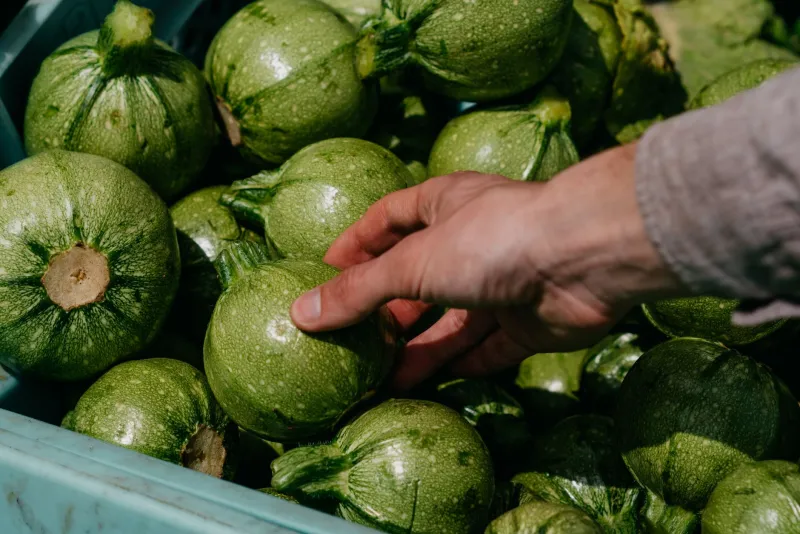
Texture before you cook. Run your thumb across the skin of a zucchini. A fresh one feels almost waxy, slightly taut. One that's been sitting too long has a subtle give, a softness that tells you it's past its window for high-heat cooking but might still be great slow-roasted or in a soup. Sagamihara growers use touch constantly — not to check boxes but to understand what the vegetable wants to become.
Aroma as a timeline. Smell your produce before you do anything else with it. A ripe tomato has that unmistakable green-stem funkiness at the top and a deeper, almost fermented sweetness underneath. When that balance tips too far toward sweet-soft, you're past peak raw eating but right in the zone for a quick sauce. Farmers in Sagamihara describe aroma as a kind of clock — it tells you where a vegetable is in its story.
Color isn't decoration. The green of a fresh snap pea is almost aggressively bright. As it ages, that brightness dulls toward yellow-green. This isn't just aesthetics — it's a signal about sugar content, water retention, and how the pea will behave under heat. Sagamihara growers learn color shifts the way a sommelier learns to read a wine's age from its hue. You don't need a lab. You need to look, repeatedly, until you start seeing the difference.
Weight relative to size. Pick up two heads of cabbage that look identical. One will feel denser, heavier for its size — that's the one with tighter, crisper leaves and more moisture. This is something produce vendors in Japan's local markets demonstrate almost unconsciously. It's a quick calibration that can save you from a soggy stir-fry.
Translating Farm Intuition to Your American Kitchen
Here's the honest part: most Americans shop in fluorescent-lit grocery stores where everything is waxed, refrigerated, and picked before it's fully ripe so it survives transport. The sensory signals are still there, but they're muted. That doesn't mean you can't practice this.
Start at your local farmers market if you have one nearby. Talk to the growers. Ask them how they know when something is ready. Most will light up — it's the question they actually want to answer. Pick things up. Smell them. Compare two specimens of the same vegetable side by side. You're not being weird; you're doing exactly what Sagamihara farmers do every single day.
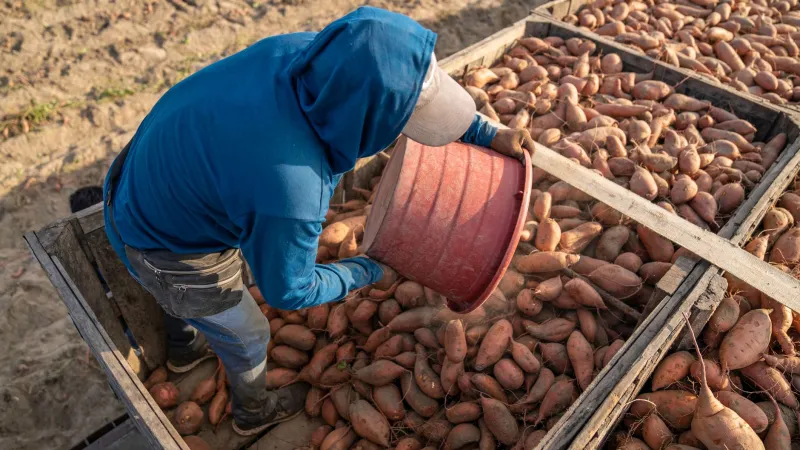
At home, try cooking a vegetable you're familiar with entirely without a recipe. Pick one — let's say sweet potatoes — and just observe it through the process. How does it smell when it hits a hot pan? How does the color change? How does the resistance shift when you press a fork into it at different stages? You're not trying to wing a meal. You're building a reference library in your senses.
This is what Sagamihara's farming tradition ultimately teaches: the vegetable already knows what it is. Your job is to understand it well enough to get out of the way and help it be its best version — not force it into a recipe it wasn't designed for.
When You Stop Needing the Recipe
There's a specific kind of confidence that comes from cooking this way. It's not the bravado of someone who's memorized a hundred dishes. It's quieter than that — more like competence than performance. You start looking at a bunch of late-summer corn and knowing, without checking your phone, that it wants to be charred and eaten with something acidic. You see overripe cherry tomatoes and your brain goes immediately to a slow-cooked pasta sauce rather than a salad.
Sagamihara's vegetable growers would recognize that feeling immediately. It's the same thing they experience walking their fields — a dialogue between person and plant that's been going on long enough to feel like second nature.
You don't need decades in a Japanese farm to get there. You just need to put the recipe down for a night and actually pay attention to what's in your hands.
At Sagamihara Shop, we love connecting American kitchens with the ingredients, tools, and ideas that come out of this region's deep agricultural and culinary culture. Because sometimes the most useful thing we can bring you isn't a product — it's a different way of seeing what you already have.