Nothing Lasts, and That's the Point: What Sagamihara's Mono no Aware Can Teach Americans About Letting Go
Somewhere in your house, there's probably a box. Maybe it's in the closet, under the bed, or stacked in the corner of a garage you keep meaning to clean out. Inside that box are things you no longer use — but can't quite bring yourself to throw away. A birthday card from someone who's no longer in your life. A jacket that doesn't fit anymore. A gift you never liked but feel guilty about releasing.
You're not hoarder. You're human. But there's a reason this kind of holding on feels so loaded in American culture — and a philosophy from the other side of the world might help explain it.
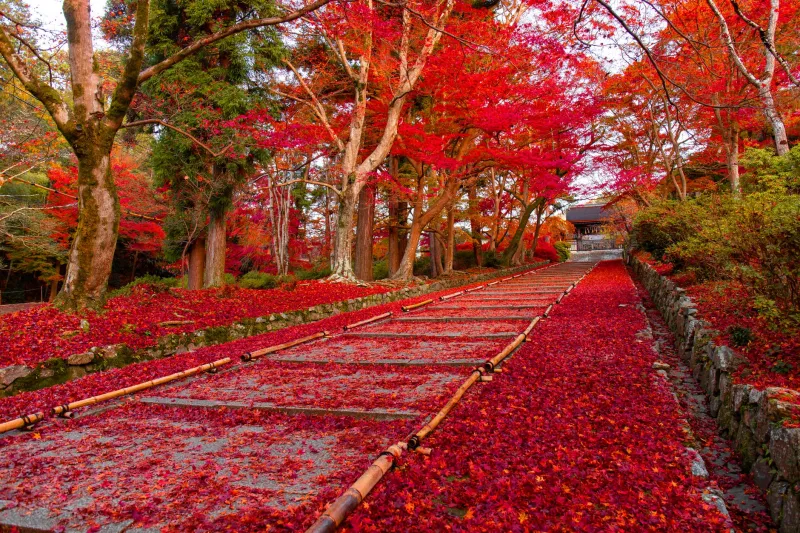
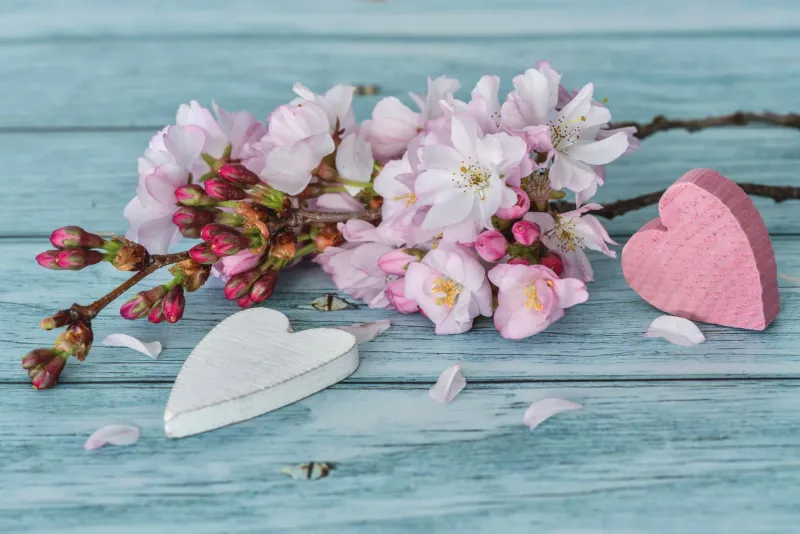
In Sagamihara, Japan, there's a concept woven into the fabric of daily life called mono no aware (物の哀れ). Roughly translated, it means "the pathos of things" — a tender, melancholic appreciation for the beauty found because something is temporary, not in spite of it. It's the feeling you get watching cherry blossoms fall. It's the quiet weight of the last day of summer. It's noticing that a handmade ceramic bowl has a small chip now, and somehow loving it more for it.
And it might be exactly what Americans need more of right now.
What Mono no Aware Actually Means (It's Not Sadness)
Western culture tends to treat impermanence as a problem to solve. We preserve, we backup, we laminate. We pour enormous energy into keeping things — relationships, youth, possessions, routines — exactly as they are. When something ends or changes, we often frame it as failure.
Mono no aware flips that entirely. The concept, which traces back to 18th-century Japanese literary scholar Motoori Norinaga, suggests that the transience of things is precisely what gives them meaning. A cherry blossom that bloomed forever would stop being beautiful. A friendship that never changed would never deepen. A home that never evolved would stop feeling lived-in.
This isn't resignation or nihilism. It's more like a very specific kind of presence — the ability to fully experience something while knowing it won't last, and to find that awareness moving rather than devastating.
In Sagamihara, this philosophy isn't just an abstract idea. It shows up in how craftspeople approach their work, how gardens are tended, and how everyday objects are treated in the home.
How Sagamihara's Craftspeople Build Impermanence Into Their Work
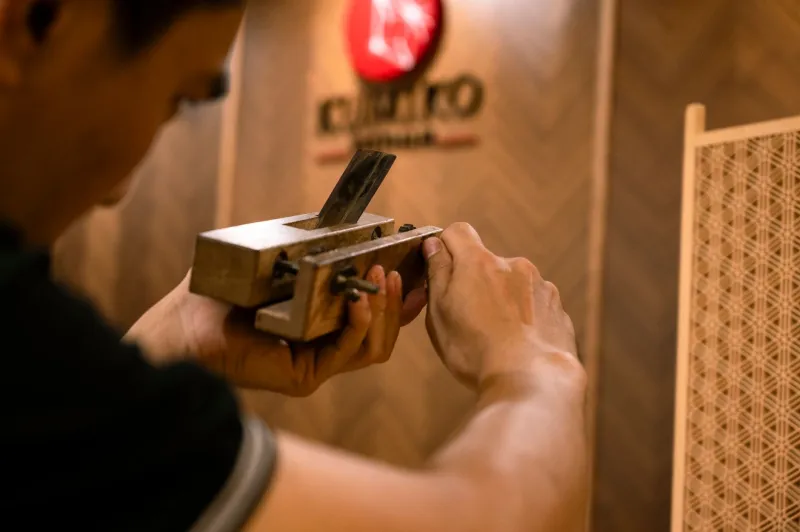
Walk through the workshops and studios in and around Sagamihara, and you'll notice something that surprises a lot of American visitors: many artisans here don't seem particularly concerned with making things that last forever. That might sound counterintuitive for a region known for quality craftsmanship, but it's actually deeply intentional.
Take the tradition of hand-thrown pottery. Sagamihara's ceramic artists often use clay and glazing techniques that are deliberately responsive to the kiln's unpredictable heat — meaning every piece comes out slightly different, and none of them are "perfect" in the factory-produced sense. Some pieces crack slightly during firing. Some glaze in unexpected colors. Rather than discarding these, many potters consider them the most honest expression of the craft. The object carries the story of its own making, including its imperfections.
Or consider the region's textile workers, who produce fabrics using natural dyes that fade over time. In the American market, fading is a defect. In this tradition, it's a feature — the cloth changes with you, marking the years you've worn it. When it finally wears through, you don't mourn it. You appreciate what it gave you.
This is mono no aware made physical. The object was never meant to be eternal. It was meant to be present — and then to pass.
The American Guilt Trip Around Letting Go
Here's the thing about American culture and stuff: we've been told for a long time that holding on is a virtue. Sentimentality is romanticized. "I could never get rid of that" is said with a kind of pride. Minimalism, when it became trendy, was treated as a radical act rather than just a different relationship with objects.
And when we do get rid of things — whether that's a possession, a relationship, a career, or a version of ourselves — we often feel guilty about it. Like we're betraying something. Like letting go means it didn't matter.
Mono no aware offers a different frame: letting go is how you honor something, not how you erase it.
When Sagamihara's garden designers plan a seasonal display, they know from the start that the arrangement will be dismantled. The effort poured into it doesn't diminish because it's temporary — if anything, the temporariness is the whole point. The care taken in creating it is the tribute. The dismantling is part of the ritual, not a negation of it.
Applied to your own life, this reframe is surprisingly powerful. That friendship that drifted apart — it doesn't need to be maintained artificially to have mattered. That phase of your life you've moved on from — releasing it isn't betrayal, it's completion. That jacket in the box — you can let it go and still honor what it meant to you when you wore it.
Practical Ways to Bring This Mindset Home
You don't need to move to Japan to start practicing mono no aware. Here are a few small shifts that can start changing your relationship with impermanence:
Pause before you preserve. Next time you reach for your phone to photograph something beautiful — a sunset, a meal, a moment — try just sitting with it for a few seconds first. Let yourself feel the bittersweet edge of knowing it won't last. That feeling is mono no aware doing its work.
Give things a proper send-off. In Sagamihara and across Japan, there's a tradition of kuyo — memorial ceremonies for objects that have served their purpose. You don't need a formal ritual, but taking a moment to acknowledge an object before you donate or discard it changes the emotional texture of the act. "This served me well" is a complete sentence.
Redesign your home for seasons, not forever. Sagamihara's approach to interior and garden design is deeply seasonal — what's displayed in spring isn't what's displayed in fall. Try rotating what's on your shelves or walls with the seasons. It trains you to appreciate things in their moment rather than clinging to a static arrangement.
Let things age visibly. Resist the urge to replace everything the moment it shows wear. A scratched wooden table, a faded throw pillow, a plant that's grown a little wild — these things carry time. They're not failing. They're becoming.
The Freedom on the Other Side of Letting Go
There's a reason mono no aware has endured as a cultural touchstone in Japan for centuries. It works. Not as a cure for grief or loss — those are real and deserve real attention — but as a daily orientation toward life that makes both the holding and the releasing feel more natural.
Sagamihara's craftspeople aren't indifferent to beauty or quality. They care deeply about both. But they've made peace with the fact that beautiful things exist in time, not outside it. That's not a compromise. That's wisdom.
The box in your closet isn't a moral failure. It's just things waiting for you to be ready. And when you are — when you can look at that jacket or that card and feel something warm and a little sad and still let it go — that's not loss.
That's exactly what mono no aware feels like. And it turns out it feels like freedom.