Letting Go on Purpose: How Sagamihara's Seasonal Rituals Can Help You Actually Start Over
Most of us treat the new year like a deadline. We scramble to write resolutions, maybe buy a planner, and then quietly abandon the whole thing by mid-February. Sound familiar? In Sagamihara, Japan, people have been navigating change a little differently for centuries — and honestly, their approach makes a lot more sense.
Here, the seasons aren't just shifts in temperature. They're punctuation marks in the story of a year. Each one carries its own emotional weight, its own rituals, and its own quiet permission to let something go.
What "Aratanashii" Actually Means
The Japanese concept of aratanashii — loosely translated as "newness" or "fresh renewal" — doesn't map neatly onto the American idea of reinvention. When we say "new year, new me," there's an underlying assumption that the old you was broken and needs replacing. Aratanashii doesn't work that way.
In Sagamihara's cultural framework, renewal is less about rejection and more about completion. You're not throwing away the previous version of yourself — you're acknowledging that a chapter has ended and giving yourself permission to turn the page. It's a subtle but meaningful distinction. One feels like failure. The other feels like growth.
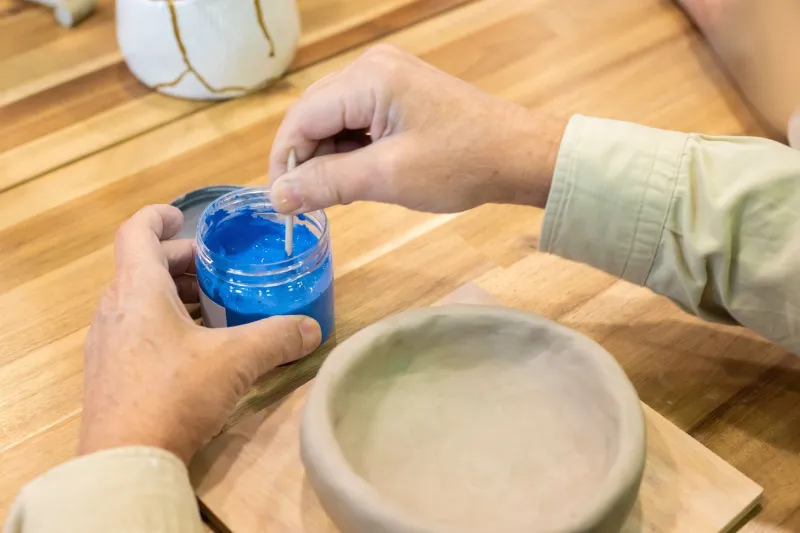
Local artisans, farmers, and everyday residents in the Sagamihara area still organize their lives around this rhythm. A ceramicist might retire a beloved glaze at the end of summer, not because it stopped working, but because it belonged to that season. A home gardener clears beds in autumn not with frustration, but with a kind of gratitude for what those plants gave.
The Four Doorways of the Year
Rather than treating January 1st as the singular moment for change, Sagamihara's seasonal mindset offers four natural entry points — one for each season. Each transition is a doorway, and each doorway has its own flavor.
Spring (Haru): This is the season of tentative beginnings. Cherry blossoms in the Sagamihara hills bloom briefly and fall fast, which is kind of the whole point. Spring teaches that beautiful things don't have to last forever to matter. It's a good season to try something you're not sure about yet.
Summer (Natsu): Full commitment. Long days, full effort. Summer in Sagamihara is when community festivals (matsuri) fill the streets — it's the season of showing up, being present, and going all in on whatever you started in spring.
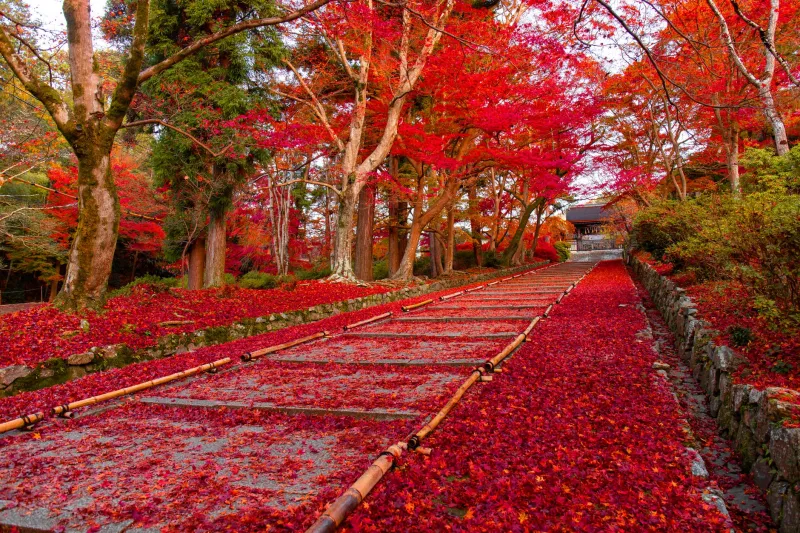
Autumn (Aki): This is the letting-go season, and honestly, it's the one Americans could use the most help with. The Japanese tradition of mono no aware — an appreciation for the bittersweet beauty of impermanence — lives most fully here. Autumn is when Sagamihara residents reflect on what served them and consciously release what didn't.
Winter (Fuyu): Rest, not failure. Winter is for going inward, for sitting with what you've learned, for preparing the soil of your life for what comes next. Americans often feel guilty about stillness. Sagamihara's winter culture reframes it as essential.
What This Looks Like at Home
You don't need to move to Japan to build this kind of rhythm into your life. You just need to start paying attention to the transitions.
Try this: at the start of each new season, instead of just swapping out your wardrobe or adjusting your thermostat, take 20 minutes to do what people in Sagamihara have been doing for generations — a small, intentional act of release and renewal.
In your home: Walk through each room and identify one thing that belongs to a past version of your life. Maybe it's a hobby you abandoned, a piece of decor that no longer reflects who you are, or a piece of furniture you've been meaning to replace for three years. Don't just toss it — acknowledge what it meant, then let it go. Donate it, pass it on, or compost it if it's something from the garden.
In your routines: Ask yourself which habits or commitments you're maintaining out of inertia rather than intention. Sagamihara's seasonal mindset doesn't demand dramatic overhauls. It asks for honest accounting. One routine you're done with is more powerful than ten resolutions you'll forget.
In your relationships: This one's harder, but important. Seasonal transitions are a good time to check in on which relationships are feeding you and which ones have quietly become obligations. You don't have to end anything — but naming the truth to yourself is its own kind of renewal.
The Garden as Teacher
If you've read anything on Sagamihara Shop before, you know that gardens in this part of Japan are more than aesthetic choices — they're philosophical ones. The way a Sagamihara garden is tended through the seasons is a masterclass in intentional living.
Autumn pruning isn't punishment for the plant. It's preparation. Cutting back the overgrowth actually directs energy toward what matters most, so that when spring comes, the growth is stronger, more deliberate, more alive.
Your life works the same way. The things you're holding onto out of habit or guilt or fear — the outdated beliefs, the exhausting commitments, the clutter in your garage and in your head — they're drawing energy away from what you actually want to grow.
Sagamihara's gardeners don't prune with anger. They prune with care, and with trust that the plant knows what to do next.
Starting Where You Are
Here's the thing about seasonal renewal: you don't have to wait for January, or even for the official first day of fall. Sagamihara's approach to aratanashii is less about the calendar and more about the awareness. The moment you notice that something in your life has run its course — that's your doorway.
Walk through it. Not dramatically. Not with a big announcement or a complete lifestyle overhaul. Just quietly, intentionally, with the same kind of respect that a Sagamihara artisan shows to a finished piece before moving on to the next one.
Acknowledge what was. Make space for what's coming. Trust the season.
That's all it takes to actually start over.