When Enough Is Actually Enough: What Sagamihara's 'Shoganai' Mindset Can Do for Your Overcrowded Life
There's a word that comes up a lot in everyday conversation in Sagamihara. You'll hear it at the neighborhood market when a vendor runs out of a seasonal item. You'll hear it after a rainstorm cancels an outdoor gathering. You'll hear it whispered almost reflexively when something doesn't go to plan. That word is shoganai — and while it roughly translates to "it can't be helped," it carries a whole philosophy underneath it that most Americans never get introduced to.
In a culture that runs on hustle, optimization, and the relentless belief that every problem has a workaround, shoganai sounds almost radical. Maybe even a little defeatist. But spend any time around the people of Sagamihara, and you start to see it differently. This isn't about giving up. It's about being smart enough to know where your energy actually belongs.
What Shoganai Actually Means (And What It Doesn't)
Let's get this out of the way first: shoganai is not an excuse to be lazy or indifferent. It doesn't mean you stop caring, stop trying, or stop showing up. What it means — the real, lived version of it — is that you develop a sharp sense of the line between what you can influence and what you genuinely cannot.
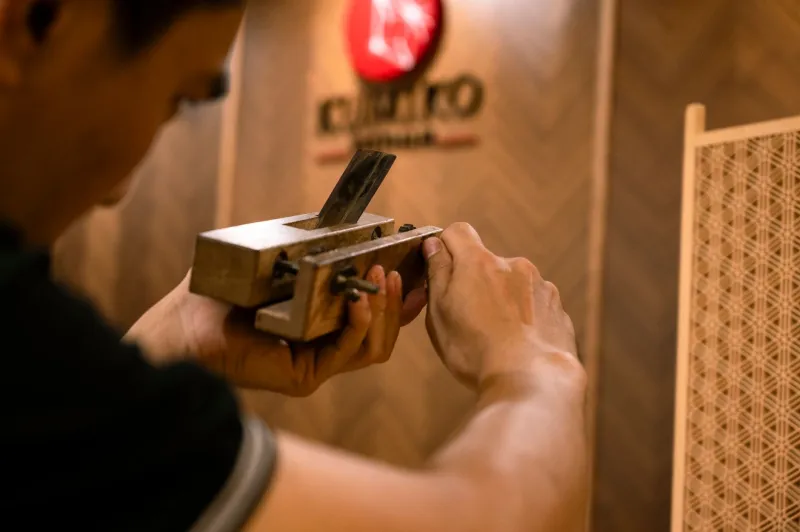
In Sagamihara, that distinction gets practiced constantly. A farmer can't control the weather, so she doesn't spend her mental energy raging at a cloudy week. She pivots. She plans around it. She accepts the constraint and works brilliantly within it. A craftsperson can't rush the drying time on a lacquer finish, so he doesn't try. He moves to another project, trusts the process, and comes back when the work is ready for him.
The philosophy isn't passive — it's actually a form of radical presence. You stop fighting the things that are fixed, and suddenly you have a lot more left over for the things that aren't.
The Hustle Trap Americans Know Too Well
Here in the US, we've built an entire culture around the idea that you can always do more, be more, push harder, and come out ahead. And honestly? That drive has produced some remarkable things. But it's also produced a generation of people who are exhausted, anxious, and perpetually unsatisfied — because the goalposts never stop moving.
Think about the last time something didn't go your way. A delayed flight. A project that got shelved. A job offer that fell through. How much time did you spend replaying it, arguing with it mentally, wishing the outcome had been different? That's energy — real, finite energy — that got spent on something that was already decided.
Shoganai says: feel it, acknowledge it, and then let it go. Not because it doesn't matter, but because holding onto it costs more than releasing it ever would.
How Sagamihara Residents Actually Practice It at Home
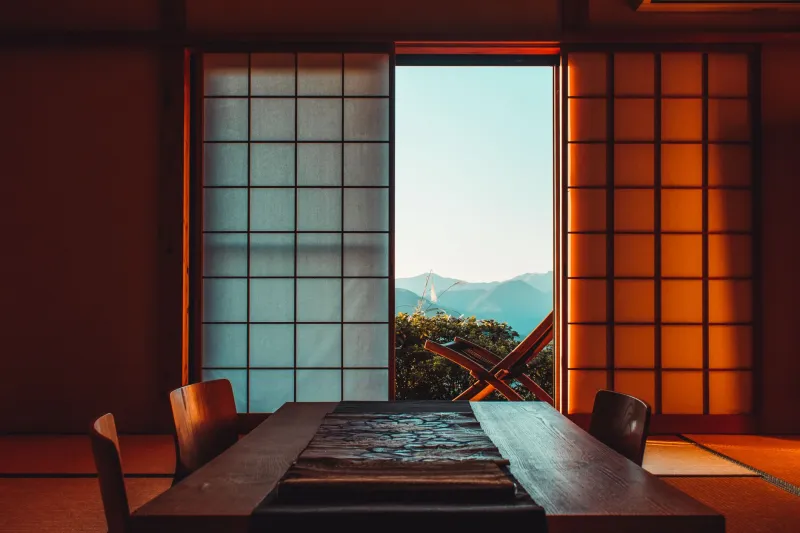
One of the most striking things about visiting homes in Sagamihara is how deliberately they're arranged. There's a sense of working with the space rather than against it. A small kitchen isn't treated as a problem to solve with more storage solutions and organizational gadgets — it's accepted as the container it is, and the cooking that happens inside it adapts accordingly.
That's shoganai made physical. The limitation becomes the design brief.
You see the same thing in garden culture here. Sagamihara sits near the Sagami River and is surrounded by terrain that shifts with the seasons in ways you simply can't override. Local gardeners don't fight that — they read it. They plant what the season allows. They let certain beds go dormant without treating it as failure. The garden is a collaboration, not a conquest.
For Americans looking to bring some of this into their own homes, the entry point is surprisingly simple: stop treating every constraint as a problem. Your backyard is a certain size — work with that size. Your kitchen has a certain layout — cook for that layout. Your schedule has real limits — plan for those limits instead of fantasizing around them.
The Productivity Angle Nobody Talks About
Here's the part that might surprise you: shoganai can actually make you more productive, not less. When you stop burning cognitive fuel on things outside your control, you free up a surprising amount of mental bandwidth for the things that are within your reach.
Researchers in the US have spent years studying what's often called "decision fatigue" — the way that too many choices and too much mental churn degrades your ability to think clearly and act decisively. Shoganai is basically an ancient, culturally embedded solution to that exact problem. By drawing a clean line around what's fixable and what isn't, you preserve your sharpest thinking for where it can actually land.
In Sagamihara's small-business community, you can watch this in action. Shop owners who can't compete with big-city pricing don't waste time wishing they could. They double down on what makes them distinct — the personal relationship, the regional specialty, the knowledge that comes from decades in one place. The constraint clarifies the strategy.
Bringing Shoganai Into Your Daily Routine
You don't need to move to Japan to start practicing this. A few small shifts can make a real difference:
Name what you can't control. Literally write it down. Traffic, other people's opinions, economic conditions, the weather — put it on a list. Then write a second list: what's actually in your hands today. Work from the second list.
Practice the pause. When something goes sideways, give yourself a beat before you react. That pause is where shoganai lives. It's the moment you choose acceptance over resistance.
Let your home reflect your limits. If your living room is small, decorate for small — not for the hypothetical future room you wish you had. There's a deep calm that comes from designing your space around reality rather than aspiration.
Stop optimizing everything. Not every system needs a hack. Not every routine needs upgrading. Sometimes the good-enough version is genuinely good enough, and the energy you'd spend perfecting it is better used elsewhere.
The Quiet Confidence on the Other Side
People who've spent time in Sagamihara often come back talking about a particular quality in the people they met — a kind of unhurried steadiness that doesn't read as complacency. These aren't people who've given up on life. They're people who've gotten very clear on what life actually requires of them, and what it doesn't.
That's what shoganai, practiced genuinely, starts to feel like. Not resignation — clarity. Not passivity — precision. You stop chasing the version of your life that exists just slightly out of reach, and you start investing in the one that's right in front of you.
And somewhere in that shift, something loosens. The pressure drops. The to-do list gets shorter, not because you've stopped caring, but because you've gotten honest about what actually belongs on it.
That's the art of saying enough. And Sagamihara has been practicing it for a very long time.