Owning It Completely: What Sagamihara's Tradition of Humble Accountability Can Fix in American Work Culture

We've all been on the receiving end of one. The corporate non-apology. The carefully worded statement that technically acknowledges something went wrong without ever actually admitting fault. "We're sorry you felt that way." "Mistakes were made." "We regret any inconvenience this may have caused."
If you've ever gotten one of those, you know exactly how hollow it feels. And if you've ever delivered one — maybe coached by legal or HR — you probably already sensed it wasn't landing.
There's a different way to handle these moments. It comes, in part, from places like Sagamihara, a city in Kanagawa Prefecture where traditional Japanese values around accountability and interpersonal respect are woven into everyday life. And it turns out, the way people in this region approach apology has a lot to teach American workplaces that are struggling to actually rebuild trust.
Why American Apologies Often Miss the Mark
Here's the thing about American professional culture: we're raised to protect ourselves. Admitting fault can feel like handing someone a weapon. Lawyers warn against it. PR teams craft language that skirts it. Leaders learn to soften it, contextualize it, or pivot away from it as fast as possible.
The result? A culture where accountability gets treated like a liability rather than a leadership strength. Teams notice. Clients notice. And over time, that gap between what's said and what's meant erodes the trust that makes organizations actually function.
The problem isn't that Americans don't feel remorse — most people genuinely do. The problem is that the systems around us have taught us to perform apology rather than practice it.
What a Real Apology Looks Like in Sagamihara
In Japanese culture broadly, and in the day-to-day social fabric of communities like Sagamihara specifically, apology is treated with a seriousness that can feel almost startling to outsiders. It's not unusual to see a business owner bow deeply and speak at length about their responsibility in a situation — not because it's scripted, but because taking full ownership of a mistake is considered a fundamental mark of character.
The Japanese concept of moushiwake (roughly translated: "there is no excuse") captures this beautifully. When something goes wrong, the instinct isn't to explain the circumstances that led to the error. It's to acknowledge the impact, own the failure completely, and focus entirely on the person who was harmed by it.
This isn't self-flagellation for its own sake. It's a form of deep respect — the recognition that the other person's experience of being let down matters more than your comfort in explaining why things went sideways.
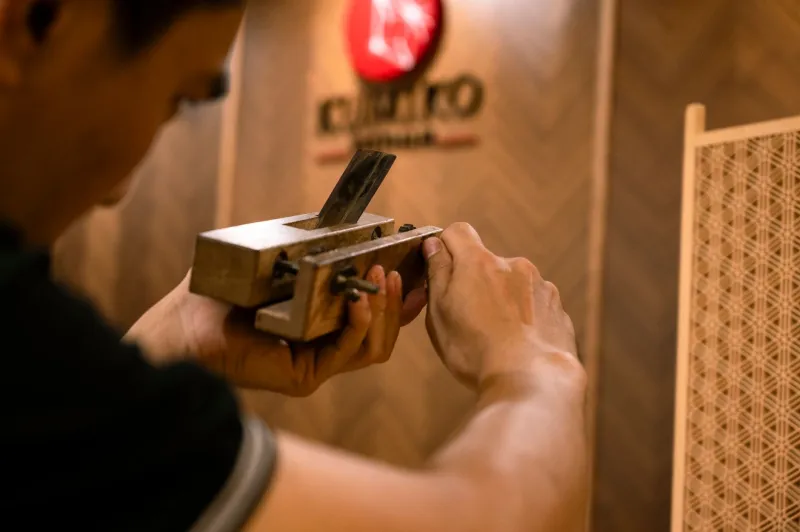
Local craftspeople in Sagamihara talk about this in the context of their work. When an artisan delivers a piece that falls short of a client's expectations, the response isn't defensive. There's no list of reasons why the wood grain behaved unexpectedly or why the kiln temperature fluctuated. There's an apology, a bow, and a clear commitment to make it right. Full stop.
The Four Elements That Make It Work
So what actually separates a Sagamihara-style apology from the corporate version? It comes down to a few core elements that are worth breaking down:
1. No qualifications. A genuine apology in this tradition doesn't come with a "but." There's no contextualizing, no explaining away, no redirecting blame toward circumstances. The mistake happened. You own it.
2. Direct acknowledgment of impact. Rather than focusing on your intentions (which were probably good!), the focus shifts entirely to the effect your actions had on the other person. This is harder than it sounds, especially when you genuinely meant well.
3. Visible humility. In Japanese business culture, the physical act of bowing during an apology isn't ceremonial — it's communicative. It signals that you're lowering yourself, literally and figuratively, to honor the weight of the moment. American workplaces may not adopt the bow, but the principle translates: show up with your defenses down.
4. A clear path forward. A sincere apology in Sagamihara's tradition isn't just backward-looking. It includes a concrete commitment to do differently. Not a vague "we'll work to improve" — something specific and real.
What This Could Actually Look Like at Work
Let's bring this out of the abstract. Imagine a project manager who missed a critical deadline and cost a client a significant opportunity. The American instinct might be to acknowledge the miss, explain the team's bandwidth issues, mention the unexpected scope changes, and promise to do better next time.
The Sagamihara approach would look different. It might sound something like: "We failed to deliver what we committed to, and that failure cost you real time and real money. I take full responsibility for that. Here's specifically what I'm going to do to make this right, and here's how we're changing our process so it doesn't happen again."
Notice what's missing: the bandwidth explanation, the scope change context, the softening language. None of that is relevant to the person on the other end of the apology. What they need to hear is that you understand what happened to them and that you're fully accountable for it.
This kind of accountability, practiced consistently, does something remarkable inside organizations. It signals to everyone watching that leadership doesn't hide behind excuses. It makes it safer for team members to admit their own mistakes early, before small problems become big ones. And it rebuilds trust with clients and partners in a way that no carefully worded statement ever could.
Starting Small: A Practice, Not a Policy
Here's the good news: you don't need a company-wide culture overhaul to start practicing this. You just need to start.
Next time something goes wrong on your watch, try this: before you say anything else, take a breath and ask yourself whose experience you're centering — yours or theirs. Then lead with their experience. Acknowledge specifically what the failure cost them. Resist every urge to explain. Commit to something concrete.
It'll feel uncomfortable at first. That discomfort is actually the point — it's the feeling of genuine accountability, which is a very different thing from managed optics.
Sagamihara's artisans and business owners didn't develop this culture overnight. It's something practiced over generations, refined through relationships and reputation built the slow, honest way. But every practice starts somewhere, and this one starts with a single, unqualified, fully-owned apology.
Your team — and your clients — will feel the difference immediately.
At Sagamihara Shop, we're always looking at what the values and traditions of this remarkable region can offer everyday American life. Whether it's a handcrafted product or a perspective shift, authentic Japan has a lot to share.